




درس سوم زبان انگلیسی یازدهم
گرامر درس سوم زبان یازدهم
Conditional Sentences – جملا شرطی
Conditional sentences express hypothetical situations and their possible consequences. They are structured using two clauses:
– If-clause (شرط)
– Main clause (نتیجه)
جملات شرطی برای بیان موقعیت های فرضی و نتایج احتمالی آنها استفاده میشوند. این جملات از دو بخش تشکیل شده اند:
– بخش شرط (اگر…)
– بخش نتیجه (نتیجه آن…)
These sentences are essential for discussing possibilities, regrets, dreams, and scientific facts.
این جملات برای بحث در مورد احتمالات، آرزوها، واقعیت های علمی و شرایط غیرواقعی ضروری اند.
***
Types of Conditional Sentences
انواع جملات شرطی
There are four main types of conditionals, plus mixed conditionals:
چهار نوع اصلی جملات شرطی به همراه جملات شرطی ترکیبی وجود دارند:
1 – Zero Conditional – شرطی نوع صفر
Structure
– If + Present Simple, Present Simple
Usage (کاربرد):
Universal truths, scientific facts, and general habits.
حقایق جهانی، واقعیتهای علمی و عادات کلی.
Examples:
If you heat water, it boils.
اگر آب را گرم کنی، میجوشد.
If people don’t eat, they get hungry.
اگر مردم غذا نخورند، گرسنه میشوند.
***
2 – First Conditional – شرطی نوع یک
Structure
– If + Present Simple, Will + Base Verb
Usage (کاربرد):
Real or possible future situations.
موقعیت های واقعی یا احتمالی در آینده.
Examples:
If it rains, we will cancel the trip.
ترجمه: اگر باران ببارد، سفر را لغو میکنیم.
If you study, you will pass the exam.
ترجمه: اگر درس بخوانی، امتحان را قبول میشوی.
***
3 – Second Conditional- شرطی نوع دو
Structure:
– If + Past Simple, Would + Base Verb
Usage (کاربرد):
Unreal or imaginary present/future situations.
موقعیت های غیرواقعی یا خیالی در حال یا آینده.
Examples:
If I won the lottery, I would travel the world.
اگر برنده لاتاری شوم، به دنیا سفر میکنم.
If she were here, she would help us.
اگر او اینجا بود، به ما کمک میکرد.
نوت: در انگلیسی رسمی , در شرطی نوع دوم were بجای was استفاده میشود.
***
4 – Third Conditional – شرطی نوع سه
Structure:
– If + Past Perfect, Would Have + Past Participle
Usage (کاربرد):
Hypothetical past situations and their consequences.
موقعیت های فرضی در گذشته و نتایج آنها.
Examples:
If I had studied, I would have passed the exam.
اگر درس خوانده بودم، امتحان را قبول میشدم.
If they had left earlier, they would have caught the train.
اگر زودتر حرکت کرده بودند، قطار را میگرفتند.
***
5 – Mixed Conditionals – شرطی ترکیبی
Structure:
Combines different time frames (e.g., past condition + present result).
ترکیب زمانهای مختلف (مثلاً شرط گذشته + نتیجه حال).
Examples:
If I had taken that job, I would be rich now.
اگر آن شغل را گرفته بودم، الان ثروتمند بودم.
If she weren’t so lazy, she would have finished the project.
اگر او اینقدر تنبل نبود، پروژه را تمام کرده بود.
Past Participles
A past participle is a verb form used in perfect tenses (e.g., present perfect) and passive voice. For regular verbs, it ends in -ed (e.g., talked), but irregular verbs have unique forms (e.g., written, eaten). It can also function as an adjective (e.g., broken glass).
شکل سوم از فعل است که در زمان های کامل ( مثل حال کامل ) و passive voice استفاده میشود.
برای افعال با قاعده , با ed در اخیر فعل این حالت ایجاد میشود , اما برای افعال بی قاعده یک شکل خاص دارند مثل: (eaten, written,…) .
و همچنین به عنوان صفت نیز استفاده میشود, مانند: (broken glass) لیوان شکسته.
Example:
The stolen car was found yesterday.
ماشین دزدیده شده دیروز پیدا شد.
***
Formation of Past Participles
– Regular Verbs: Add -ed to the base form.
در افعال با قاعده , ed را در اخیر فعل اضافه میکنیم.
– Work → Worked
– Play → Played
– Irregular Verbs: No fixed rule; must be memorized.
در افعال بی قاعده, قانون ثابت ندارد, باید اشکال فعل را حفظ کنید.
– Go → Gone
– Eat → Eaten
***
راهنمای کامل کاربردهای (Past Participle)
| Usage (کاربرد) | Structure (ساختار) | Example (مثال) | Translation (ترجمه) |
| 1. Present Perfect Tense | Have/Has + Past Participle | She has eaten lunch. | او ناهار خورده است. |
| زمان حال کامل | |||
| 2. Past Perfect Tense | Had + Past Participle | They had left before we arrived. | آنها قبل از رسیدن ما رفته بودند. |
| زمان گذشته کامل | |||
| 3. Future Perfect Tense | Will Have + Past Participle | I will have finished by 8 PM. | من تا ساعت ۸ تمام خواهم کرد. |
| زمان آینده کامل | |||
| 4. Passive Voice | Be (in any tense) + Past Participle | The cake was eaten. | کیک خورده شد. |
| مجهول | |||
| 5. Adjectives | Past Participle as Adjective | The broken glass. | لیوان شکسته. |
| صفت | |||
| 6. Third Conditional | If + Past Perfect, Would Have + Past Participle | If I had known, I would have come. | اگر میدانستم، می آمدم. |
| شرطی نوع سوم | |||
| 7. Modal Perfects | Modal + Have + Past Participle | She should have studied. | او باید درس میخواند. |
| افعال مدال با اسم فاعل | |||
| 8. Reduced Clauses | Past Participle in Reduced Relative Clauses | The book (written by her) is famous. | کتاب )نوشته شده توسط او) معروف است. |
| جمله های وصفی کوتاهشده | |||
| 9. Phrasal Verbs | Phrasal Verb + Past Participle | The car has broken down. | ماشین خراب شده است. |
| افعال عبارتی | |||
| 10. Participial Phrases | Past Participle in Phrases | Exhausted by work, he slept early. | خسته از کار، او زود خوابید. |
| عبارتهای وصفی |
Infinitives – مصدر
An infinitive is the base form of a verb, often preceded by “to” (e.g., to eat, to study). It can function as a noun, adjective, or adverb in a sentence. Unlike gerunds, infinitives emphasize potential or intention.
مصدر , شکل اساسی و پایه فعل است که همیشه به همراه یک To میاید.
به عنوان یک اسم , صفت و قید میتواند در جمله ایفای وظیفه کند. برخلاف گراندها، مصدرها بر قصد یا امکان تأکید دارند.
Example:
– To travel is my dream.
مسافرت کردن آرزوی من است.
***
1 – Infinitive as the Subject of a Sentence
When an infinitive acts as the subject, it introduces the main action of the sentence. These sentences often discuss goals, desires, or general truths.
وقتی مصدر به عنوان فاعل جمله عمل میکند، عمل اصلی جمله را معرفی میکند. این جملات معمولاً درباره اهداف، خواسته ها، یا حقایق کلی صحبت میکنند.
Examples:
To learn a language requires patience.
: یاد گرفتن یک زبان به صبر نیاز دارد.
To forgive is divine.
: بخشیدن الهی است.
To succeed demands hard work.
موفق شدن به تلاش سخت نیاز دارد.
***
2 – Infinitive as the Object of a Verb
Infinitives often act as the object of verbs that express desire, decision, or effort (e.g., want, decide, try).
مصدرها اغلب به عنوان مفعول افعالی استفاده میشوند که خواسته، تصمیم، یا تلاش را بیان میکنند (مثل خواستن، تصمیم گرفتن، تلاش کردن).
Examples:
She wants to visit Paris.
او میخواهد از پاریس دیدن کند.
They decided to cancel the meeting.
آنها تصمیم گرفتند جلسه را لغو کنند.
He promised to help.
او قول داد کمک کند.
***
3 – Infinitive After Adjectives
Infinitives follow adjectives to explain purpose or reason:
مصدرها بعد از صفتها میآیند تا هدف یا دلیل را توضیح دهند:
– Structure: Adjective + Infinitive
Examples:
It’s important to exercise daily.
مهم است که هر روز ورزش کنید.
She was happy to hear the news.
او از شنیدن خبر خوشحال شد.
***
4 – Verbs Followed by Infinitives
These verbs always take infinitives:
– Agree, Decide, Hope, Plan, Promise, Refuse, Want, Offer, Manage.
این افعال همیشه با مصدر میآیند:
– موافقت کردن، تصمیم گرفتن، امیدوار بودن، برنامه ریزی کردن، قول دادن، امتناع کردن، خواستن، پیشنهاد دادن، مدیریت کردن.
Examples:
He agreed to sign the contract.
او موافقت کرد قرارداد را امضا کند.
They hope to win the competition.
آنها امیدوارند مسابقه را ببرند.
***
5 – Bare Infinitive (Without “To”)
The bare infinitive (without “to”) is used:
– After modal verbs (can, should, must).
– After verbs like let, make, help.
مصدر بدون “to” در موارد زیر استفاده میشود:
– بعد از افعال مدال (میتواند، باید، مجبور است).
– بعد از افعالی مثل اجازه دادن، مجبور کردن، کمک کردن.
Examples:
She can speak three languages.
او میتواند به سه زبان صحبت کند.
Let me explain.
بگذار توضیح دهم.
***
| Type | Structure | Example | Persian Example | Key Usage Context |
| Full Infinitive | to + base verb | To learn is important. | یاد گرفتن مهم است. | Subject of a sentence: Expresses general actions. |
| She wants to study. | او میخواهد مطالعه کند. | Object of a verb: After verbs like want, decide, hope. | ||
| It’s easy to understand. | درک کردن آسان است. | After adjectives: It’s + adjective + to. | ||
| I have a book to read. | من کتابی دارم برای خواندن. | After nouns: Shows purpose. | ||
| Bare Infinitive | base verb (no to) | They can swim. | آنها میتوانند شنا کنند. | After modal verbs (can, should, must). |
| Let me help you. | بگذار به تو کمک کنم. | After verbs like let, make, help. | ||
| Split Infinitive | to + adverb + base verb | He decided to quickly leave. | او تصمیم گرفت سریع برود. | Emphasizes the adverb: Common in informal speech. |
| Passive Infinitive | to be + past participle | The car needs to be washed. | ماشین نیاز دارد شسته شود. | Passive actions: Focus on the receiver. |
| Perfect Infinitive | to have + past participle | She claims to have finished. | او ادعا میکند تمام کرده باشد. | Completed actions before another time. |
| Continuous Infinitive | to be + present participle | He seems to be crying. | به نظر میرسد در حال گریه کردن است. | Ongoing actions. |
| Perfect Continuous Infinitive | to have been + present participle | She seems to have been waiting. | به نظر میرسد منتظر بوده است. | Duration of action up to a point. |
| Infinitive in Questions | Wh- + to + verb | I don’t know what to do. | نمیدانم چه کاری انجام دهم. | After question words (what, how, when). |
| Infinitive as Complement | Subject + linking verb + to + verb | His goal is to win. | هدف او بردن است. | Complements the subject (explains the subject). |
Infinitive vs. Gerund
– Infinitive: Focus on future potential (e.g., I want to eat).
– Gerund: Focus on real or completed actions (e.g., I enjoy eating).
– مصدر: تأکید بر امکان یا قصد آینده (مثال: میخواهم بخورم).
– گراند: تأکید بر اعمال واقعی یا کامل شده (مثال: از خوردن لذت میبرم).
Examples:
- Infinitive: He needs to study. (He hasn’t studied yet.)
او نیاز دارد مطالعه کند. (هنوز مطالعه نکرده است.)
- Gerund: He avoids studying. (He doesn’t study.)
او از مطالعه کردن اجتناب میکند.
جواب و معنی درس سوم زبان یازدهم
معنی صفحه 81 زبان یازدهم
Interesting facts:
– Art increases brain’s activity.
– هنر فعالیت مغز را افزایش میدهد.
– Art helps students learn math and science better.
– هنر به دانشآموزان کمک میکند ریاضی و علوم را بهتر یاد بگیرند.
– Art makes people more creative and sociable.
– هنر افراد را خلاقتر و اجتماعیتر میکند.
– There are at least 12 different meanings for the word ‘art’ in English.
– حداقل 12 معنی متفاوت برای واژه «هنر» در زبان انگلیسی وجود دارد.
جواب صفحه 84 زبان یازدهم
B.Use the words in part A to complete the following sentences. Make the necessary changes.
برای تکمیل جملات زیر از کلمات قسمت الف استفاده کنید. تغییرات لازم را انجام دهید.
1- I bought this beautiful pottery cup in Meibod.
1- من این فنجان سفالی زیبا را از میبد خریدم.
2- The little boy was sleeping on the carpet it was soft and warm.
2- پسر کوچک روی فرش خوابیده بود، آن نرم و گرم بود.
3- Can you read that calligraphy? It seems to be one of Nezami’s poems.
3- آیا میتوانی آن خطاطی را بخوانی؟ به نظر میرسد یکی از اشعار نظامی است.
4- There is a collection of Farshchian’s paintings in Astan Ghods Museum.
4- مجموعهای از نقاشیهای فرشچیان در موزهٔ آستان قدس وجود دارد.
5- There are lots of tileworks in Sheikh Lotfollah Mosque.
5- کاشیکاریهای زیادی در مسجد شیخ لطفالله وجود دارد.
***
C.How do you feel when you look at an artwork?
وقتی به یک اثر هنری نگاه می کنید چه احساسی دارید.
جواب:

– happy and cheerful ✅
– خوشحال و شاد
– uncertain and worried
– نگران و مردد
– bored and tired
– خسته و کلافه
– proud and hopeful ✅
– امیدوار و مغرور
معنی صفحه 85 و 86 زبان یازدهم
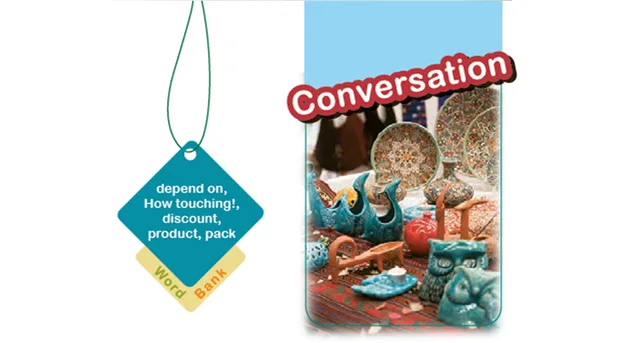
Listen to the conversation between Reza and a tourist.
به محاوره بین رضا و سیاح گوش دهید.
Reza: How can I help you, sir?
رضا: چطور میتونم کمکتون کنم، آقا؟
Tourist: I am looking for some Iranian handicrafts.
جهانگرد: دنبال صنایع دستی ایرانی میگردم.
Reza: Here you can find a range of Iranian hand-made products, from carpets to pottery and tilework, but we don’t sell metalwork.
رضا: اینجا میتونید انواع محصولات دست ساز ایرانی رو پیدا کنید، از فرش گرفته تا سفال و کاشی؛ اما کار فلزکاری فروش نداریم.
Tourist: I’d like to buy a Persian carpet, but it seems too expensive.
جهانگرد: میخواستم یک فرش ایرانی بخرم، اما به نظر خیلی گرون میاد.
Reza: The price depends on its size. Instead, you can take an Isfahan Termeh or a Qashqai Gabbeh.
رضا: قیمت بستگی به اندازهاش داره. به جای اون میتونید ترمه اصفهان یا گبه قشقایی رو انتخاب کنید.
Tourist: Wow! How touching this Gabbeh is! How much is it?
جهانگرد: وای! این گبه چقدر قشنگه! قیمتش چنده؟
Reza: It is 85 dollars. If you buy more than 100 dollars, you’ll get a 20 percent discount. You can take this calligraphic tile for only 30 dollars.
رضا: ۸۵ دلاره. اگر بیشتر از ۱۰۰ دلار خرید کنید، ۲۰ درصد تخفیف میگیرید. این کاشی خوشنویسی رو هم فقط ۳۰ دلار میتونید ببرید.
Tourist: Well, I’ll take both. Please pack them for me.
جهانگرد: خوب، هردو رو میخرم. لطفاً برام بسته بندی کنید.
Reza: Yes, sure.
رضا: حتماً.
Tourist: Do you work for this shop? Who has made these beautiful items?
جهانگرد: شما اینجا کار میکنید؟ چه کسی این وسایل زیبا رو ساخته؟
Reza: Actually, it is my father’s workshop and store. I work here after school. All my family members work here to help our family business.
رضا: راستش این مغازه و کارگاه متعلق به پدرمه. من بعد از مدرسه اینجا کار میکنم. همه اعضای خانوادم برای کمک به کس بوکار خانوادگیمون اینجا هستن.
Tourist: Well done! How lucky you are to work in such a lovely shop! I really appreciate the culture and art of Iran.
جهانگرد: آفرین! خوشبحالتون که تو چنین مغازه قشنگی کار میکنید! من واقعاً به فرهنگ و هنر ایران علاقه دارم.
Reza: Thank you very much. If you are interested in knowing more about our products, you can check this booklet.
رضا: خیلی ممنونم. اگر میخواید بیشتر درباره محصولات ما بدونید، میتونید این بروشور رو بررسی کنید.
جواب صفحه 86 زبان یازدهم
پاسخ به سوالات شفاهی:
1- What did the tourist buy? He bought the calligraphic tile and the Gabbeh.
۱. جهانگرد چه خرید؟ جهانگرد گبه قشقایی و کاشی خوشنویسی خرید.
2- Are all Persian handicrafts expensive? No, they aren’t. some of them are cheap.
۲. آیا همه صنایع دستی ایرانی گرون هستند؟ نه، نیستند, بعضی از آنها ارزان هستند.
3- What is the most famous handicraft of your city or village? For Example: The most famous handicraft of my city is carpet.
۳. مشهور ترین صنایع دستی شهر یا روستای شما چیست؟ (پاسخ شخصی: مثال) معروفترین صنایع دستی شهر ما خاتمکاری است.
معنی صفحه 87 زبان یازدهم
New Words & Expressions – کلمات و عبارات جدید
A.Look, Read and Practice.
نگاه کنید، بخوانید و تمرین کنید.
My aunt bought a decorative wall clock.
خاله من یک ساعت دیواری تزئینی خرید.
Iran is a vast country in Southwest Asia.
ایران کشور پهناوری در جنوب غربی آسیاست.
Iranian craftsmen and craftswomen are hard-working people.
زنان و مردان هنرمند ایرانی، مردم سختکوشی هستند.
معنی صفحه 88 زبان یازدهم
He is weaving a rug.
او در حال بافتن یک فرش است
Gold and silver are valuable metals.
طلا و نقره فلزات ارزشمندی هستند
Each person’s fingerprint is unique.
اثر انگشت هر فرد منحصر به فرد است
The animal diversity of Lorestan is amazing.
تنوع حیوانات لرستان شگفتانگیز است
معنی صفحه 89 زبان یازدهم
B.Read and Practice.
بخوانید و تمرین کنید.
custom: traditional or usual things that people do in an area;
My uncle is interested in old local customs.
رسم: چیزهای سنتی یا معمولی که مردم در یک منطقه انجام می دهند؛
عموی من به رسم های محلی قدیمی علاقه مند است.
identity: Who or what a thing or person is;
The policeman is searching for the identity of that man.
هویت: آنچه یک چیز یا شخص است؛
پلیس به دنبال هویت آن مرد است.
reflect: to show something;
This poem reflects the poet’s love of nature.
بازتاب: نشان دادن چیزی؛
این شعر عشق شاعر به طبیعت را بازتاب می دهد.
humankind: all people;
The World Wars have been really bad for humankind.
بشریت: همه مردم؛
جنگ جهانی ها برای بشریت بسیار بد بوده است.
appreciate: to value somebody or something;
Each society appreciates its art and culture.
از ارزش قائل بودن: ارزش گذاری بر کسی یا چیزی؛
هر جامعه هنر و فرهنگ خود را ارزش قائل است.
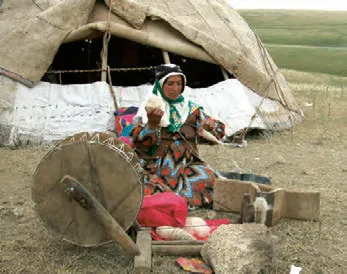
معنی صفحه 90 زبان یازدهم
Reading – Art, Culture and society
هنر, فرهنگ و جامعه
Art is what people create with imagination and skill. As a part of culture, it shows the way of life and identity of a nation and reflects the history of a society. In fact, the history of humankind is the history of art. If we want to know a country or a nation well, we should study its art.
هنر چیزی است که انسان ها با تخیل و مهارت خلق میکنند. به عنوان بخشی از فرهنگ، هنر روش زندگی و هویت یک ملت را نشان می دهد و تاریخ یک جامعه را منعکس می کند. در واقع، تاریخ بشریت، تاریخ هنر است. اگر بخواهیم یک کشور یا ملت را به خوبی بشناسیم، باید هنر آن را مطالعه کنیم.
Handicrafts are good examples of the art and culture of a country. By handicrafts, we mean making decorative items in a skillful way using our hands. Each country and culture has its own handicrafts. Making and selling handicrafts are good ways to help a country’s economy and introduce its culture to other nations. Many people of the world produce handicrafts and sell them to tourists. In some Asian countries a part of the country’s income comes from making and selling handicrafts.
صنایع دستی نمونه های خوبی از هنر و فرهنگ یک کشور هستند. منظور ما از صنایع دستی، ساخت وسایل تزئینی به شیوه ای ماهرانه با استفاده از دستان است. هر کشور و فرهنگی صنایع دستی خاص خود را دارد. ساخت و فروش صنایع دستی راهی مناسب برای کمک به اقتصاد یک کشور و معرفی فرهنگ آن به دیگر ملت هاست. بسیاری از مردم جهان صنایع دستی تولید میکنند و آن ها را به گردشگران می فروشند. در برخی کشور های آسیایی، بخشی از درآمد کشور از طریق ساخت و فروش صنایع دستی تأمین می شود.
Iran has a five-thousand-year-old history of artistic works and handicrafts including pottery, painting, calligraphy, rugs and carpets, etc. If you travel across Iran, you’ll get back home with excellent handicrafts as souvenirs for your family and friends.
ایران دارای تاریخ پنج هزار ساله در زمینه آثار هنری و صنایع دستی مانند سفالگری، نقاشی، خوشنویسی، فرش و قالی است. اگر به سراسر ایران سفر کنید، با صنایع دستی عالی به خانه بازمیگردید تا به عنوان سوغاتی به خانواده و دوستان خود هدیه دهید.
معنی صفحه 91 زبان یازدهم
Iranian art is also quite famous all around the world. There are very excellent collections of Persian art in many important museums of the world. If we want to name countries with richest art and cultural diversity, Iran is among them. Persian art is famous in the world for reflecting moral and social values of Iranian people and the natural beauty of this vast country.
هنر ایرانی نیز در سراسر جهان بسیار معروف است. مجموعه های بسیار عالی از هنر فارسی در بسیاری از موزه های مهم جهان وجود دارد. اگر بخواهیم کشورهایی با غنیترین هنر و تنوع فرهنگی را نام ببریم، ایران در میان آنها قرار دارد. هنر فارسی در جهان به دلیل بازتاب ارزشهای اخلاقی و اجتماعی مردم ایران و زیبایی طبیعی این کشور پهناور مشهور است.
Iranian craftsmen and craftswomen are famous for producing very unique artworks from wood, metal and other simple materials around them. Many people of the world appreciate the art and skill of a young Iranian girl who weaves a beautiful silk carpet in a small village of Azarbaijan or Kordestan. When tourists buy Persian rugs or carpets, they take a part of Iranian art and culture to their homelands.
صنعتگران مرد و زن ایرانی به خاطر خلق آثار هنری بسیار منحصربه فرد از چوب، فلز و دیگر مواد ساده اطراف خود معروف هستند. بسیاری از مردم جهان، هنر و مهارت یک دختر جوان ایرانی را که در روستایی کوچک در آذربایجان یا کردستان فرش ابریشمی زیبایی می بافد، تحسین می کنند. وقتی گردشگران فرش یا قالی ایرانی می خرند، بخشی از هنر و فرهنگ ایران را به سرزمین های خود می برند.
***
Recognizing Reference Words
We use reference words instead of repeating the names of people, places, ideas, or other things. Follow these steps to find reference words.
استراتژی خواندن ( تشخیص کلمات مرجع)
بجای تکرار نام افراد, مکان ها , ایده ها یا چیز های دیگر ما از کلمات مرجع استفاده می نماییم. برای یافتن کلمات مرجع این مراحل را دنبال کنید.
– Read the text.
– Look out for common reference words like ‘it, they, them, this, those, that, etc’.
– Look at sentences nearby especially the former ones to find what they refer to.
متن را بخوانید.
به کلمات مرجع رایج مانند ” آن, آنها, آنها, این, آن ها, آن و غیره” توجه کنید.
به جملات نزدیک به خصوص جملات قبلی نگاه کنید تا ببینید به چه چیزی اشاره میکنند.
جواب صفحه 92 زبان یازدهم
Reading comprehension – درک مطلب
A.Read the Reading. Use the above strategy to find what these words refer to.
A. بخش Reading را بخوانید. از استراتژی بالا استفاده کنید تا متوجه شوید که این کلمات به چه چیزی اشاره دارند.
1- it (paragraph 1, line 2) art
آن هنر (بند ۱ خط ۲)
2- its (paragraph 2, line 3) each country
برای آن کشور (بند ۲ خط ۳)
3- them (paragraph 3, line 3) handicrafts
صنایع دستی(بند ۳ خط ۳)
4- them (paragraph 5, line 4) countries
کشور ها(بند ۵ خط ۴)
5- they (paragraph 6, line 6) tourists
گردش گران (بند ۶ خط ۶)
***
B.Scan the Reading to find the following information.
B. ریدینگ را بررسی کنید تا اطلاعات زیر را دریابید.
1 – What does art reflect?
It reflects the history of a society.
1 – هنر چه چیزی را بازتاب می دهد؟
آن ( هنر ) بازتاب دهنده تاریخ یک جامعه است.
2 – How can we help the economy of our country?
Making and selling handicraft are good ways to help a country’s economy.
2 – چگونه می توانیم به اقتصاد کشورمان کمک کنیم؟
تولید و فروش صنایع دستی, راه های خوبی برای کمک به اقتصاد یک کشور هستند.
3 – Why is Persian art famous?
Persian art is famous in the world for reflecting moral and social values of Iranian people and the natural beauty of this vast country.
3 – چرا هنر ایرانی مشهور است؟
هنر ایرانی به دلیل بازتاب ارزش های اخلاقی و اجتماعی مردم ایران و زیبایی طبیعی این کشور بزرگ در جهان مشهور است.
***
C.Read the following sentences. Find each idea in the Reading and then write the number of the paragraph that discusses it.
جملات زیر را بخوانید. هر ایده را در ریدینگ پیدا کنید و سپس شماره پاراگراف مورد بحث را بنویسید.
1- Making and selling handicrafts help a country’s economy. Paragraph 3
۱. تولید فرض و صنایع دستی به اقتصاد کشور کمک میکند.
2- Many people in the world value the art and skill of Iranian artists. Paragraph 5
۲. بسیاری از مردم جهان هنر و مهارت هنرمندان ایرانی را ارج مینهند.
3- Handicrafts can show the art and culture of a nation. Paragraph 2
۳. صنایع دستی میتواند هنر و فرهنگ یک ملت را نشان بدهد.
جواب و معنی صفحه 93 زبان یازدهم
Vocabulary Development – توسعه واژگان
Antonyms
Antonyms are words that have opposite meanings. Sometimes antonyms are very different words, for example ‘true’ and ‘false’ or ‘hot’ and ‘cold’. Other times, they are made by adding or changing prefixes or suffixes, for example, ‘like’ and ‘dislike’ or ‘careful’ and ‘careless’. Learning antonyms is a good way to develop our vocabulary.
متضادها کلماتی هستند که معانی مخالف دارند. گاهی اوقات متضادها کلماتی بسیار متفاوت هستند، به عنوان مثال “درست” و “غلط” یا “گرم” و “سرد”. گاهی دیگر، آنها با افزودن یا تغییر پیشوند یا پسوند ساخته میشوند، به عنوان مثال “مانند” و “نامانند” یا “مواظب” و “بیمواظب”. یادگیری متضادها راه خوبی برای توسعه دایره واژگان ماست.
***
A.Write a word in each blank that is the opposite of the words in the left column.
جواب:
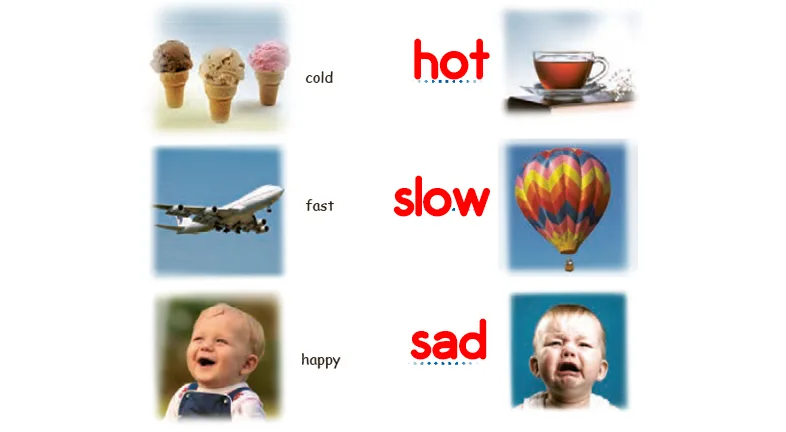
جواب و معنی صفحه 94 زبان یازدهم
B.Two of the words in each group are antonyms. Find them.
دو تا از کلمات هر گروه متضاد هستند. آنها را پیدا کنید.
a) start/ finish/ decrease / produce
b) quickly / sadly / greatly / slowly
c) rise / move / reflect / fall
d) cheap / famous / expensive / interesting
الف) شروع / پایان / کاهش / تولید
ب) به سرعت / غم انگیز / بسیار / به آرامی
ج) بلند شدن / حرکت / بازتاب / سقوط
د) ارزان / معروف / گران قیمت / جالب
***
C.Look back at the Reading to find synonyms and antonyms for the words.
برای یافتن مترادف و متضاد کلمات، به ریدینگ نگاه کنید.
- a) In paragraph 1, find a synonym for ‘reflect’: show
در پاراگراف 1، مترادف “reflect” را پیدا کنید: نشان دادن
- b) In paragraph 3, find an antonym for ‘buy’: sell
در پاراگراف 3، ضد معنی “buy” را پیدا کنید: فروش
- c) In paragraph 5, find a synonym for ‘well-known’: famous
در پاراگراف 5، مترادف ‘well-known’ را پیدا کنید: مشهور
- d) In paragraph 6, find an antonym for ‘ugly’: beautiful
در پاراگراف 6، ضد معنی “ugly” را پیدا کنید: زیبا

معنی صفحه 95 زبان یازدهم
Grammar
Our neighbor is a craftsman. I love his beautiful artworks. Whenever I see his works, I say to myself, “when I grow up, I will become an artist like him”. One day he told me: “Amir, are you really interested in art? If you enjoy art, you will become a good artist. Most people like art, but some do not understand it. If you do not see any special thing in a pottery, you won’t appreciate its value. If you do not appreciate the value of art, you cannot become a successful artist. You will just make things. If you really like art, you will need two things in the future: education and experience. Study hard, work hard, and create things to make people happy.”
همسایه مان یک صنعتگر است. من عاشق آثار هنری زیبای او هستم. هر وقت کارهایش را میبینم، به خودم میگویم: “وقتی بزرگ شدم، مثل او یک هنرمند خواهم شد” یک روز او به من گفت: “امیر، آیا واقعاً به هنر علاقه مندی؟ اگر از هنر لذت ببری، هنرمند خوبی خواهی شد.
بیشتر مردم هنر را دوست دارند، اما برخی آن را درک نمیکنند. اگر چیز خاصی در یک سفالگری نبینی، نمیتوانی ارزش آن را درک کنی. اگر ارزش هنر را درک نکنی، نمیتوانی هنرمند موفقی شوی. فقط یه چیزهایی میسازی.
اگر واقعاً هنر را دوست داشته باشی، در آینده به دو چیز نیاز داری: آموزش و تجربه. سخت درس بخوان، سخت کار کن و چیزهایی بساز که مردم را خوشحال کنند”.
معنی و جواب صفحه 96 زبان یازدهم
B. Read the following examples.
مثال های پایین را بخوانید.
If you study hard, you will pass the exams.
اگر سخت درس بخونی، توی امتحانها قبول میشی.
If my friends come, I will become happy.
اگر دوستام بیان، خوشحال میشم.
If Reza goes to Rey, he will visit the bazaar.
اگر رضا بره ری، حتماً از بازار دیدن میکنه.
I’ll phone you if I have time.
اگر وقت داشتم، بهت زنگ میزنم.
You’ll hurt yourself if you jump into the river.
اگر بپری تو رودخونه، خودت رو زخمی میکنی.
Maryam will get a prize if she answers the question correctly.
مریم جایزه میگیره اگر سوال رو درست جواب بده.
***
C.Tell your teacher how ‘conditional sentences’ are made.
جواب:
جملات شرطی (Conditional Sentences) از دو بخش تشکیل شدن:
بخش شرط (If Clause): با کلمه If شروع میشه.
بخش نتیجه (Main Clause): نتیجهای که از اون شرط به دست میاد.
در کلاس یازدهم، ما بیشتر با Conditional Type 1 (شرطی نوع اول) سروکار داریم. این نوع شرطی برای بیان اتفاقاتی به کار میره که در آینده محتمل هستن.
فرمول Conditional Type 1:
If Clause: زمان حال ساده (Present Simple)
Main Clause: زمان آینده ساده (Future Simple: will + verb)
مثال:
If you study hard, you will pass the exam.
(اگر سخت درس بخونی، توی امتحان قبول میشی.)
نکات مهم:
ترتیب جملات مهم نیست. یعنی میتونیم اول بخش نتیجه رو بگیم و بعد بخش شرط رو.
مثال: You will pass the exam if you study hard.
اگر بخش شرط اول بیاد، بعد از If ویرگول (,) میذاریم.
اگر بخش نتیجه اول بیاد، ویرگول نمیذاریم.
***
D. Read the Conversation and underline all ‘conditional sentences’.
جواب:
If you buy more than 100 dollars, you’ll get a 20 percent discount.
اگر بیشتر از ۱۰۰ دلار بخرید، ۲۰ درصد تخفیف میگیرید.
If you are interested in knowing more about our products, you can check this booklet.
اگر علاقهمند باشید که درباره محصولات ما بیشتر بدانید، میتوانید این بروشور را بررسی کنید.
جواب صفحه 97 زبان یازدهم
E. Read the following paragraph and choose the best verb forms.
جواب:
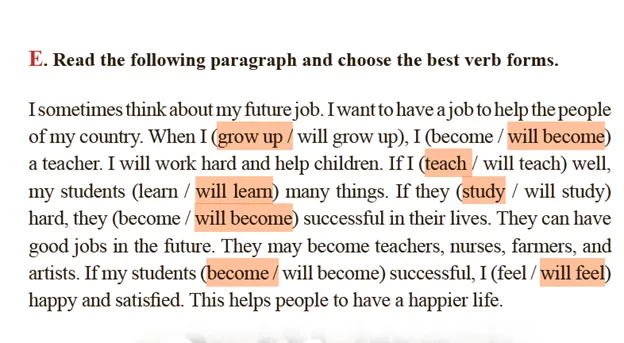
F. pair up and talk about the things you will or will happen in the following conditions.
دو نفر شوید و در مورد کارهایی که در شرایط زیر انجام خواهید داد یا اتفاق خواهند افتاد صحبت کنید.
جواب:
- If it rains tomorrow, I will just stay home and maybe play video games.
- If I study hard for my exams, I will achieve 20 scores.
- If we go to Noshahr this Friday, I will ride a horse.
- If I eat so much junk food, I will be sick.
- If I get a good mark, I will be happy.
معنی صفحه 98 زبان یازدهم
SEE ALSO
Read the following examples.
نمونه های زیر را بخوانید.
– Amir is bored with his present job.
امیر از شغل فعلی خود خسته شده است.
– Mina got amused by the story.
مینا با داستان هیجان زده شد.
– I’m totally confused. Would you please explain it again?
من کاملاً گیج شدهام. لطفاً دوباره توضیح دهید؟
– He often gets depressed about his weight.
او اغلب به خاطر وزنش افسرده میشود.
– I’m so excited that we’re going to Yazd.
من خیلی هیجان زدهام که به یزد میرویم.
– To tell the truth, I was frightened to death.
راستش را بگویم من تا حد مرگ ترسیدم.
– I’ve always been interested in football.
من همیشه به فوتبال علاقهمند بودهام.
– They were greatly surprised at the news.
آنها به خبر بسیار شگفتزده شدند.
– I’m tired of watching television; let’s go for a walk.
من از تماشای تلویزیون خسته شدهام؛ بیایید برای پیادهروی برویم.
معنی و جواب صفحه 99 زبان یازدهم
Listening & Speaking – گوش دادن و صحبت کردن
Speaking Strategy
Talking about conditions and future results
استراتژی صحبت کردن
صحبت در مورد شرایط و نتایج آینده
A.We use ‘will’ with ‘if’ to talk about what will happen in the future if certain conditions are met at the present time.
الف. ما از “will” با “if” برای صحبت در مورد آنچه در آینده در صورت تحقق شرایط خاص در زمان حال رخ می دهد استفاده می کنیم.
– We want to buy a new store.
– Really, what for?
– We want to make and sell more pottery work.
– I’ve heard people are really interested in your work.
– Yeah, if everything goes well, we will open the new store in June.
– ما می خواهیم یک فروشگاه جدید بخریم.
– واقعاً برای چه؟
– میخواهیم کارهای سفالی بیشتری بسازیم و بفروشیم.
– شنیدهام که مردم واقعاً به کار شما علاقه دارند.
– آره، اگر همه چیز خوب پیش برود، فروشگاه جدید را در ژوئن افتتاح می کنیم.
***
You may use the following to talk about conditions and future results.
If everything goes well, I will finish my project on time.
معنی: اگر همه چیز خوب پیش بره، من پروژهم رو سر وقت تموم میکنم.
If all goes well, they will arrive safely.
معنی: اگر همه چیز خوب پیش بره، آنها به سلامت میرسن.
If our plans work, we will start the new business next month.
معنی: اگر برنامههامون جواب بده، ماه آینده کسبوکار جدیدمون رو شروع میکنیم.
جواب و معنی صفحه 100 زبان یازدهم
B.Listen to the following conversations and fill in the blanks.
به مکالمات زیر گوش دهید و جاهای خالی را پر کنید.
Conversation 1
مکالمه ۱
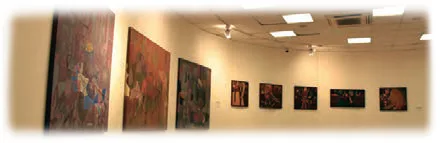
1- They are going to have an exhibition of Persian art in Paris.
1- قرار است نمایشگاهی از هنر ایرانی در پاریس برپا کنند.
2- If all goes well, they will have the exhibition next spring.
2- اگر همه چیز خوب پیش برود، بهار آینده نمایشگاه خواهند داشت.
Pair up and ask your friends about the things they have to do now to achieve something in the future. You may use the verbs in the box.
با هم گروه شوید و از دوستانتان در مورد کارهایی که اکنون برای رسیدن به چیزی در آینده باید انجام دهند بپرسید. می توانید از افعال موجود در کادر استفاده کنید.
become a doctor in the future, go to Marivan in Norooz, buy a new computer next year
در آینده دکتر شو، نوروز برو مریوان، سال بعد کامپیوتر نو بخر
***
Conversation 2
مکالمه ۲
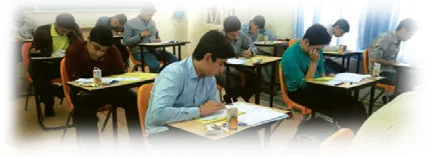
1- Mohammad is going to try the science Olympiad.
1- محمد قصد دارد المپیاد علمی را امتحان کند.
2- Amir is going to help Mohammad.
2- امیر به محمد کمک می کند.
Pair up and ask your friends about the things they have to do now to achieve something in the future. You may use the verbs in the box.
با هم گروه شوید و از دوستانتان در مورد کارهایی که اکنون برای رسیدن به چیزی در آینده باید انجام دهند بپرسید. می توانید از افعال موجود در کادر استفاده کنید.
take part in charity, study Physics, visit historical sites of Hamedan
شرکت در امور خیریه، مطالعه فیزیک، بازدید از اماکن تاریخی همدان
معنی و جواب صفحه 101 زبان یازدهم
Pronunciation
A. listen to the sentences and draw upward or downward arrows for rising and falling intonations.
1- If I get the money, ↗ I will buy a new mobile phone. ↘
اگر پول را بگیرم، یک تلفن همراه جدید خریداری خواهم کرد.
2- We’ll get to the school late ↗ if the bus does not come on time. ↘
اگر اتوبوس به موقع نیاید، ما دیر به مدرسه میرسیم.
3- If the kids answer the questions, ↗ the teacher will give them a prize. ↘
اگر بچهها به سوالات پاسخ دهند، معلم به آنها جایزه میدهد.
4- You’ll get a good job ↗ if you work hard. ↘
آگر سخت کار کنید, شغل خوبی خواهید داشت.
***
B. Listen to the sentences and draw upward or downward arrows for rising and falling intonations.
به جملات گوش دهید و فلش های رو به بالا یا پایین را برای آهنگ های بالا و پایین بکشید.
جواب:
1- If it snows ↗ , people will drive carefully. ↘
اگر برف ببارد، مردم با احتیاط خودرو خود را رانندگی میکنند.
2- If I earn enough money next year ↗, I will buy a new car. ↘
اگر سال آینده کافی پول درآمد کنم، یک ماشین جدید خریداری خواهم کرد.
3- She will pass the exam ↗ if I help her. ↘
اگر به او کمک کنم، او آزمون را قبول خواهد کرد.
4- If you eat healthy food ↗, you will live longer. ↘
اگر غذاهای سالم بخورید، زندگیتان بیشتر خواهد شد.
جواب صفحه 103 زبان یازدهم
A. complete the following sentences with gerunds or infinitives of verbs in the box.
جواب:
1) I went home after leaving the school.
2) I have decided to learn Spanish.
3) We can’t learn English without making mistakes.
4) Mahboobeh bought some flowers to give to her mother.
5) Remember to turn off the lights.
6) I ran fast to catch the bus.

جواب صفحه 105 زبان یازدهم
B. Using five adjectives from the above, write five sentences with infinitives about yourself.
با استفاده از پنج صفت از موارد فوق، پنج جمله با مصدر در مورد خود بنویسید.
۱. I’m amazed to see my painting get so many likes online!
من شگفتزده میشم که نقاشیام این همه لایک تو اینترنت بگیره!
۲. I’m glad to finish my homework before midnight.
من خوشحالم که تکالیفم رو قبل از نیمه شب تموم کردم.
۳. I was shocked to hear the math exam is canceled!
من تعجب کردم وقتی شنیدم امتحان ریاضی لغو شده!
۴. I’m lucky to have a friend who helps me with chemistry.
من خوش شانسم که دوستی دارم که تو شیمی بهم کمک میکنه.
۵. I’m certain to study harder if the teacher explains the lesson again.
من مطمئنم که اگر معلم دوباره درس رو توضیح بده، بیشتر درس میخونم.
***
C. Read the reading and find all gerunds and infinitives.
ریدینگ را بخوانید و همه حروف و مصدر ها را بیابید.
Gerunds and Infinitives in the Text
| Type | Example | Sentence from the Text |
| Gerund | making | “By handicrafts, we mean making decorative items in a skillful way using our hands.” |
| Gerund | selling | “Making and selling handicrafts are good ways to help a country’s economy…” |
| Gerund | reflecting | “Persian art is famous […] for reflecting moral and social values…” |
| Gerund | producing | “Iranian craftsmen […] are famous for producing unique artworks…” |
| Infinitive | to know | “If we want to know a country or a nation well, we should study its art.” |
| Infinitive | to help | “Making and selling handicrafts are good ways to help a country’s economy…” |
| Infinitive | to name | “If we want to name countries with the richest art […] Iran is among them.” |
معنی و جواب صفحه 107 زبان یازدهم
What You Learned
آنچه شما آموخته اید
A. Listen to the first part of a report.
به قسمت اول گزارش گوش دهید.
1- Fill in the blanks based on what you’ve just heard.
1- جاهای خالی را بر اساس شنیده ها پر کنید.
– Art is helpful in curing the sick.
هنر در شفای بیماران کمک کننده است.
– People can make simple artworks to communicate their feelings.
مردم می توانند آثار هنری ساده ای برای انتقال احساسات خود بسازند.
***
2 – Listen again and take note of all ‘if clauses’.
دوباره گوش بدهید و تمام ‘if clauses’ ها را یادداشت کنید.
جواب:
– If sick people practice art…
اگر افراد بیمار هنر کنند….
– If sick people communciate their feelings with simpel artworks.
اگر افراد بیمار احساسات خود را با آثار هنری ساده منتقل می کنند.
***
B.Now read the rest.
B. حالا بقیه را بخوانید.
Art can improve people’s physical, mental, and emotional wellness. If people use their art skills in a right way, they will be able to communicate their feelings. They will understand their family and friends better. Art can help people have better relationship with each other. The power of art decreases the risk of many illnesses such as heart attack. If people practice art, they will get along with their stress and enjoy the pleasure of making artwork. You can try this by drawing simple things or making simple objects. You will see its power!
هنر میتواند به بهبود سلامتی جسمی، روانی و عاطفی افراد کمک کند. اگر افراد مهارت های هنری خود را به درستی به کار بگیرند، قادر خواهند بود که احساسات خود را ارتباط بدهند. آنها بهتر خانواده و دوستان خود را درک خواهند کرد. هنر میتواند به افراد کمک کند تا با یکدیگر رابطه بهتری داشته باشند. قدرت هنر خطر ابتلا به بیماریهایی مانند سکته قلبی را کاهش میدهد. اگر افراد هنر را تمرین کنند، با استرس خود سازگار خواهند شد و لذت ساختن از هنر را تجربه خواهند کرد. شما میتوانید با کشیدن چیزهای ساده یا ساختن اشیاء ساده، این را امتحان کنید. شما قدرت آن را خواهید دید!
***
3- What does ‘their’ in line 2 refer to? What does ‘its’ in the last line refer to?
«their» در خط 2 به چه چیزی اشاره دارد؟ «its» در سطر آخر به چه چیزی اشاره دارد؟
جواب:
their in line 2 refers to ‘people’. its in the last lien refers to ‘art’
کلمه “their” در خط دوم به افراد اشاره دارد. و کلمه “its” در خط آخر به هنر اشاره دارد.
***
4- Underline all ‘conditional sentences’.
زیر تمام «جملات شرطی» خط بکشید.
جواب:
If people use their art skills in a right way…..
اگر مردم از مهارت های هنری خود به شیوه ای درست استفاده کنند.
***
C. Work in pairs. Ask and answer.
دوتایی کار کنید. بپرس و جواب بده.
جواب:
– Can everyone make artwork? Sure, everyone can do that.
آیا همه میتوانند هنر خلق کنند؟ بله، همه میتوانند این کار را انجام دهند.
– How does art help us understand our family? We can understand their feelings.
چگونه هنر به ما در درک خانوادهمان کمک میکند؟ ما میتوانیم احساسات آنها را درک کنیم.
– Have you ever visited an art gallery? Yes/No …
آیا تا به حال به یک گالری هنری سفر کردهاید؟ بله.
جواب کتاب کار زبان یازدهم درس 3
جواب درس سوم کتاب کار زبان یازدهم
جواب صفحه 44 کتاب کار زبان یازدهم
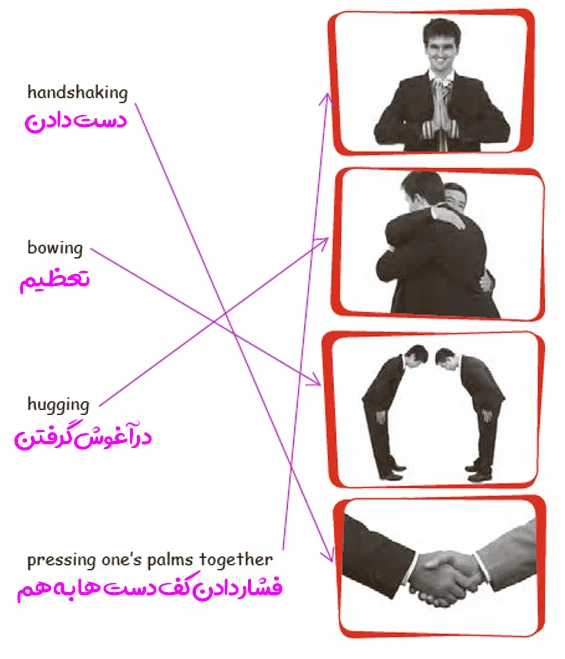
A. People greet each other differently around the world. In the following, you can see some ways of greeting. Now, match the pictures with their greeting actions.
مردم در نقاط مختلف جهان به طرق مختلفی با هم احوالپرسی میکنند. در زیر میتوانید برخی از روش های احوالپرسی را ببینید.
جواب:
جواب صفحه 45 زبان یازدهم
B. Where can you see these greeting actions?
این نوع احوالپرسیها را در چه جاهایی میتوانید ببینید؟
جواب:
Handshaking: Germany, The United Kingdom, The United States, Iran
Bowing: Japan, China
Hugging: Iran, Argentina
Pressing one’s palms together: India, Thailand
دست دادن: آلمان، بریتانیا، ایالات متحده، ایران
تعظیم کردن: ژاپن، چین
بغل کردن: ایران، آرژانتین
به هم فشردن کف دستان: هند، تایلند
جواب صفحه 46 کتاب کار زبان یازدهم
Cultures and Lifestyles
فرهنگ و سبکهای زندگی
Culture is a system of shared beliefs that are common in a society.
معنی: فرهنگ یک سیستم از باورهای مشترک است که در یک جامعه رایج هستند.
Often, we think of the food, music, clothing, and holidays that are common in a society as its culture, but these are only some of the elements.
معنی: اغلب، ما غذا، موسیقی، لباس و تعطیلاتی که در یک جامعه رایج هستند را به عنوان فرهنگ آن جامعه در نظر میگیریم، اما اینها فقط برخی از عناصر آن هستند.
Other elements include customs, values, behaviors, and artifacts.
معنی: سایر عناصر شامل رسوم، ارزشها، رفتارها و اشیاء دستساز (یا آثار هنری/فرهنگی) میشوند.
Culture is, therefore, a combination of thoughts, feelings, attitudes, and beliefs.
معنی: بنابراین، فرهنگ ترکیبی از افکار، احساسات، نگرشها و باورهاست.
With more than 190 countries and 7 billion people on earth, it is not hard to imagine that many cultures exist.
معنی: با وجود بیش از ۱۹۰ کشور و ۷ میلیارد نفر روی زمین، تصور وجود فرهنگهای بسیاری سخت نیست.
No matter where you go around the world, you will face people, lifestyles and cultures that are different to what you have.
معنی: فارغ از اینکه در هر کجای جهان بروی، با مردم، سبکهای زندگی و فرهنگهایی روبرو میشوی که با آنچه تو داری متفاوت است.
People around the world have very different lives and ways of living.
معنی: مردم در سراسر جهان زندگیها و روشهای زندگی بسیار متفاوتی دارند.
They have different beliefs and customs.
معنی: آنها باورها و رسوم متفاوتی دارند.
So they usually live and behave according to what they believe to be right and wrong.
معنی: بنابراین، آنها معمولاً بر اساس آنچه درست یا غلط میدانند، زندگی میکنند و رفتار میکنند.
معنی صفحه 47 کتاب کار زبان یازدهم
Learning to respect other cultures is important for having new experiences and learning about the world.
معنی: یادگیری احترام به فرهنگهای دیگر برای داشتن تجربیات جدید و یادگیری درباره جهان مهم است.
One of the first steps to learn about other cultures is to simply accept that there are many different cultures exist other than our own culture.
معنی: یکی از اولین قدمها برای یادگیری درباره فرهنگهای دیگر، این است که به سادگی بپذیریم که علاوه بر فرهنگ خودمان، فرهنگهای متفاوت زیادی وجود دارند.
One of the most important ways to learn to become respectful of other cultures is to spend some time reflecting on our own.
معنی: یکی از مهمترین راهها برای یادگیری احترام به فرهنگهای دیگر، صرف زمان برای تأمل در مورد فرهنگ خودمان است.
Then it is important to understand something about other cultures.
معنی: سپس درک کردن چیزی درباره فرهنگهای دیگر مهم است.
For those who want to learn about other cultures, but do not know where to start, a great place to start is reading about the cultures that interest them.
معنی: برای کسانی که میخواهند درباره فرهنگهای دیگر یاد بگیرند، اما نمیدانند از کجا شروع کنند، یک مکان عالی برای شروع، خواندن درباره فرهنگهایی است که آنها را جذب میکند.
In today’s world if we all are able to know about other cultures, and respect them, life would be easier for most of us.
معنی: در دنیای امروز، اگر همه ما بتوانیم درباره فرهنگهای دیگر بدانیم و به آنها احترام بگذاریم، زندگی برای اکثر ما آسانتر خواهد بود.
جواب صفحه 48 کتاب کار زبان یازدهم
A. True or False
درست و نادرست
1. Culture is only a combination of food, clothing and holidays. False ❌
فرهنگ فقط آمیزهای است از غذا، پوشاک و تعطیلات
2. Different people of the world may have different cultures and lifestyles. True ✅
مردم مختلف جهان میتوانند فرهنگها و سبکهای زندگی متفاوتی داشته باشند
3. Respecting other cultures often makes our lives easier. True ✅
احترام گذاشتن به سایر فرهنگها اغلب زندگی ما را ساده تر می کند
***
Scan the ‘text’ to find the following information.
متن را بررسی کرده و اطلاعات زیر را بیابید
1. How many countries are there in the world? – در جهان چند کشور وجود دارد؟
Answer: There are more than 190 countries in the world. –
جواب: بیش از ۱۹۰ کشور در جهان وجود دارد
2. What are the elements of culture? – عناصر یک فرهنگ چیست؟
Answer: food, music, clothing, holidays, customs, values, behaviors, and artifacts are some of the elements of culture.
جواب: غذا، موسیقی، پوشاک، تعطیلات، رسوم، ارزشها، رفتارها و مصنوعات برخی از عناصر فرهنگ هستند
3. How can we start learning about other cultures? – چگونه میتوانیم درباره سایر فرهنگها شروع به یادگیری کنیم؟
Answer: By reading about the cultures.
جواب: با مطالعه در مورد فرهنگ ها.
***
C. Find what these words refer to.
این کلمات به چه چیزی اشاره دارند؟
جواب:
1. its (paragraph 1): society – جامعه
2. they (paragraph 2): people around the world – مردم در سراسر جهان
3. them (paragraph 4): other cultures – فرهنگ های دیگر
جواب صفحه 49 کتاب کار زبان یازدهم
A. Read the ‘text’ and find antonyms for the following words.
متن را خوانده و متضاد کلمات زیر را بیابید.
جواب:
1. similar :different
2. false : right
3. finish : start
4. unimportant : important
۱. مشابه : متفاوت
۲. نادرست : درست
۳. پایان دادن : شروع کردن
۴. بیاهمیت : مهم
***
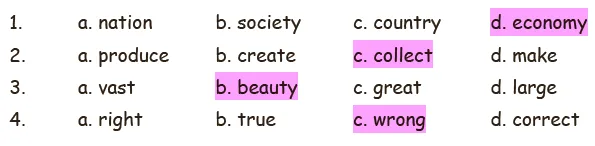
B. Odd one out.
کلمه متفاوت را پیدا کن
جواب:
جواب صفحه 50 کتاب کار زبان یازدهم
C. Match the columns and write the correct forms of the words.
ستونهای زیر را با هم تطبیق داده و فرم صحیح کلمات را بنویسید.
جواب:
| فرهنگی | Cultural | -al | culture |
| به سادگی | Simply | -ly | simple |
| ماهر | Skillful | -ful | Skill |
| تنوع | Diversity | -ity | Diverse |
| ایرانی | Iranian | -ian | Iran |
| گردشگر | Tourist | -ist | tour |
جواب صفحه 51 کتاب کار زبان یازدهم
D. Scan the ‘text’ for the suffixes of -ing and -ly.
متن را اسکن کرده و پسوند های ing و ly را اسکن کنید.
جواب: feeling – living – usually – according – learning – having – simply – reflecting – reading
***
E. Complete the following verbs with a suitable noun.
فعل های زیر را با اسم مناسب کامل کنید.
جواب:
| Suitable nouns | verb |
| Cultures, Beliefs, Customs, Lifestyles | 1. Respect |
| Our own culture, Values, Behaviors, your opinion | 2. Reflect on |
| A carpet, a tug | 3. Weave |
| parents, Experiences, cultures, Differences | 4. Appreciate |
| Countries, People, Elements, Holidays, Artifacts | 5. Name |
جواب صفحه 52 کتاب کار زبان یازدهم
A. Complete the following sentences.
جملات زیر را کامل کنید
جواب:
1. If my brother (go) goes out with his friends tonight, I (watch) will watch the football match on TV.
2. I (earn) will earn a lot of money if I (get) get a good job.
3. If Kate (hurry / not) doesn’t hurry, she (miss) will miss the bus.
4. If we (meet) meet them tomorrow, we (say) will say your hello.
5. The air (be) will be clean if people (use) use public transportation.
۱. اگر برادرم امشب با دوستانش بیرون برود من مسابقه فوتبال را با تلویزیون تماشا خواهم کرد.
۲. اگر شغل خوبی گیرم بیاید پول زیادی به دست خواهم آورد.
۳. اگر کیت عجله نکند اتوبوس را از دست خواهد داد.
۴. اگر فردا آن ها را ملاقات کنیم سلام شما را خواهیم رساند.
۵. اگر مردم از حمل و نقل عمومی استفاده کنند هوا تمیز خواهد شد.
جواب صفحه 53 کتاب کار زبان یازدهم
B. Complete the following conditional sentences.
جملات شرطی زیر را کامل کنید.
جواب:
1. If I learn English well, I will get a good job in the future.
اگر انگلیسی رو خوب یاد بگیرم، در آینده شغل خوبی پیدا خواهم کرد.
2. If I see my first English teacher, I will say hello to her.
اگر معلم اول انگلیسیم رو ببینم، بهش سلام خواهم کرد.
3. I won’t pass my exam if I don’t study hard.
من امتحانم رو قبول نمیشم اگر سخت تلاش نکنم (درس نخونم).
4. I will go to Mashhad if I have enough money.
اگر پول کافی داشته باشم، به مشهد خواهم رفت.
جواب صفحه 54 کتاب کار زبان یازدهم
Read the following sentences with the appropriate intonation.
جملات زیر را با لحن مناسب بخوانید
1. If you study hard, you can pass your exam.
اگر سخت مطالعه کنید، می توانید امتحان خود را قبول کنید
2. If it rains, we will stay at home.
اگر باران ببارد در خانه میمانیم
3. You won’t get the train if you don’t hurry up
اگر عجله نکنید قطار نمیگیرید
جواب صفحه 55 کتاب کار زبان یازدهم
A. Complete the sentences with the appropriate forms of the following verbs.
جملهها را با فرمهای مناسب فعلهای زیر کامل کنید.
hope , agree , plan , begin
جواب:
🟥 Mark began to learn Spanish when he was 40.
مارک یادگیری زبان اسپانیایی را از سن ۴۰ سالگی آغاز کرد
🟥 I am planning to go to Ardebil.
من قصد دارم به اردبیل بروم
🟥 The bank agreed to lend him fifty million Rials.
بانک موافقت کرده است که پنجاه میلیون ریال به او وام بدهد
🟥 Maryam is seventeen and she hopes to be a translator.
مریم هفده ساله است و امیدوار است که مترجم شود
جواب صفحه 56 کتاب کار زبان یازدهم
B. Complete the sentences with infinitive forms of the following verbs.
جملات را با فرمهای مصدری فعلها کامل کنید.
see swim use make
جواب:
🟥 It is not dangerous to swim in the pool.
شنا کردن در این استخر خطرناک نیست
🟥 I am surprised to see my teacher again.
از دیدن دوباره معلمم شگفت زده هستم
🟥 My brother was really sorry to make that mistake.
برادرم بخاطر انجام دادن آن اشتباه واقعا متاسف بود
🟥 It is easy to use this machine.
استفاده از آن دستگاه واقعا آسان است
جواب صفحه 57 کتاب کار زبان یازدهم
C. Different people want Amir to do different things. Complete the sentences.
افراد مختلفی از امیر میخواهند کارهای مختلفی انجام دهد. این جملهها را کامل کنید.
write an essay / eat fast food
turn on the computer / go to the market with her
جواب:
🟥 The teacher told Amir to write an essay.
معلم به امیر گفت که یک مقاله بنویسد
🟥 His little brother asked him to turn on the computer.
برادر کوچکش از او خواست که کامپیوتر را روشن کند
🟥 His parents advised him not to eat fast food.
والدینش به او توصیه کردند که غذای فست فود نخورد
🟥 His grandmother wants him to go to the market with her.
مادربزرگش میخواهد که او با او به بازار برود
جواب صفحه 58 کتاب کار زبان یازدهم
D. What do your parents want you to do/be in life?
پدر و مادرت از تو میخواهند چگونه باشی / یا چه کارهایی انجام دهی؟
جواب:
1. My parents want me to be an educated, wise, and understanding person.
معنی: والدینم میخوان یه آدم تحصیلکرده، دانا و فهمیده باشم.
2. They hope I will be kind to everyone and help the poor whenever I can.
معنی: اونا امیدوارن با همه مهربون باشم و هر وقت بتونم به فقرا کمک کنم.
3. My parents want me to be successful, wealthy, and happy in my life.
معنی: والدینم میخوان توی زندگیام موفق، پولدار و خوشحال باشم.
4. They want me to be an honest person who never does wrong or breaks the law.
معنی: اونا میخوان یه آدم درستکار باشم که هیچوقت کار اشتباه یا خلاف قانون انجام نمیدم.
5. They want me to be a good human being for my family, friends, society, and the world.
معنی: اونا میخوان یه انسان خوب برای خانواده، دوستا، اجتماع و دنیا باشم.
جواب صفحه 59 کتاب کار زبان یازدهم
E. Read the ‘text’ and find all infinitives.
متن را خوانده و مصدرها را بیابید.
جواب:
To be, to imagine, to learn, to respect, to accept, to spend, to start, to understand, to become, to know.