




درس اول زبان انگلیسی یازدهم
گرامر درس اول زبان یازدهم
اسامی قابل شمارش و غیر قابل شمارش Countable and uncountable nouns
| Un countable noun | Countable noun | |
| – | A dog/ an ant | a/an |
| – | Two dogs | Numbers (one, two, …) |
| Some sugar | Some dogs | Some |
| Little sugar | – | little |
| A little sugar | – | A little |
| – | Few men | A few |
| – | A few men | few |
| Lots of sugar | Lots of cats | Lots of |
| A lot of sugar | A lot of cats | A lot of |
| Much sugar | – | Much |
| – | Many cats | many |
اسم ها از نگاه شمردن به اسم های قابل شمارش و اسم های غیر قابل شمارش تقسیم میشوند.
اسامی قابل شمارش, اسم هایی هستندکه میتوان شمارکرد، به عنوان مثال. یک کتاب، دو کتاب، س کتاب، و غیره.
اسم های غیرقابل شمارش آنهایی هستند که قابل شمردن نیستند. مانند: قهوه, برنج, آتش و غیره
اسامی قابل شمارش زبان یازدهم
برای شمردن اسم های قابل شمارش از (a/an, one, two, three, four,…) استفاده کرده میتوانیم.
Example:
A book
Two books
Three cats
Four dogs
اسامی غیر قابل شمارش زبان یازدهم
چون این اسم ها قابل شمردن نیستند ما نمی توانیم از اعداد استفاده کنیم , بنا بر این از یک سری اصطلاحات مثل: بعضی , مقدار زیاد و… برای شمردن این اسم ها استفاده می نماییم.
Example:
Some coffee
A little milk
Lots of money
در جملات منفی از کلمه any به همراه اسم مورد نظر استفاده می نماییم.
Example:
There isn’t any sugar.
Simple sentences
A simple sentence is the most basic unit of communication in English. It contains one independent clause and communicates a complete thought. To form a simple sentence, you need two essential elements:
- Subject: The person, thing, or idea the sentence is about.
- Verb: The action or state of being described.
جمله ساده
یک جمله ساده پایه ای ترین واحد ارتباط در زبان انگلیسی است. این جمله شامل یک بند مستقل است و یک فکر کامل را بیان میکند. برای ساخت یک جمله ساده، به دو عنصر اساسی نیاز دارید:
۱. نهاد (فاعل): شخص، شیء، یا ایده ای که جمله درباره آن است.
۲. فعل: عمل یا حالت موجود در جمله.
1 – What is a Subject?
The subject answers the question “Who or what is doing the action?”
۱. نهاد (فاعل) چیست؟
نهاد به سوال “چه کسی یا چه چیزی عمل را انجام میدهد؟” پاسخ میدهد.
– Example:
– The dog barks. (Subject = the dog)
– Ali reads a book. (Subject = Ali)
مثال:
– سگ پارس میکند. (نهاد = سگ)
– علی کتاب میخواند. (نهاد = علی)
2 – What is a Verb?
The verb answers the question “What is happening?” or “What is the state of being?”
۲. فعل چیست؟
فعل به سوال “چه اتفاقی میافتد؟” یا “حالت چیست؟” پاسخ میدهد.
– Example:
– The sun shines. (Verb = shines)
– She is happy. (Verb = is)
مثال:
– خورشید میدرخشد. (فعل = میدرخشد)
– او خوشحال است. (فعل = است)
جواب و معنی درس اول زبان یازدهم
معنی صفحه 15 زبان یازدهم
Interesting Facts:
حقایق جالب:
There are about 7000 languages in the world.
معنی: حدود 7000 زبان در دنیا وجود دارد.
Most Languages of the world have no written form.
معنی: بیشتر زبان های دنیا شکل نوشتاری ندارند.
The Holy Quran is available in more than 100 languages.
معنی: قرآن مقدس به بیش از 100 زبان ترجمه و در دسترس است.
One language dies about every fourteen days.
معنی: تقریبا هر 14 روز بار، یک زبان از بین می رود
Deaf people use sign language to communicate.
معنی: افراد ناشنوا برای برقراری ارتباط از زبان اشاره استفاده می کنند.
جواب صفحه 17 زبان یازدهم
A.Look at the map. Choose six countries and write their languages
به نقشه نگاه کنید. شش کشور را انتخاب کنید و زبان آنها را بنویسید.
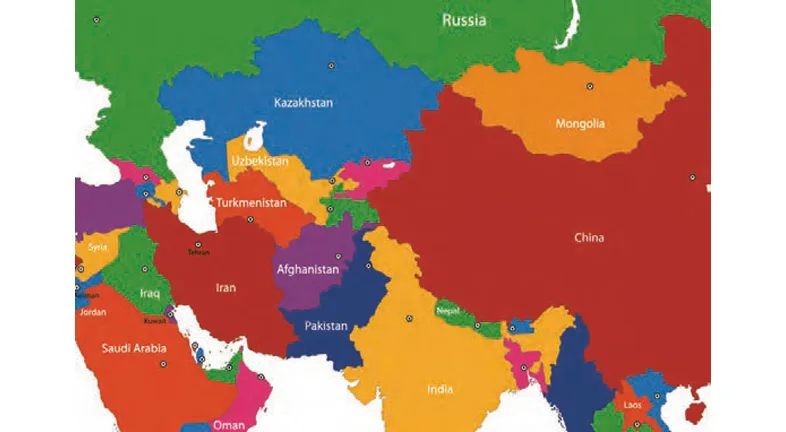
جواب:
| Language(s) | Country |
| turkish | Turkey |
| Arabic | Saudi Arabia |
| Urdu, English | Pakistan |
| Burmese | Myanmar |
| Azerbaijani | Azerbaijan |
| Mongolian | Mongolia |
– Are you familiar with any of the above languages? If yes, circle them.
آیا با هر یک از زبان های فوق آشنایی دارید؟ اگر بله، دور آنها حلقه بزنید.
جواب صفحه 18 زبان یازدهم
B.Match the signs with their meanings. There is one extra sentence.
علائم را با معانی آنها مطابقت دهید. یک جمله اضافی وجود دارد.
جواب:
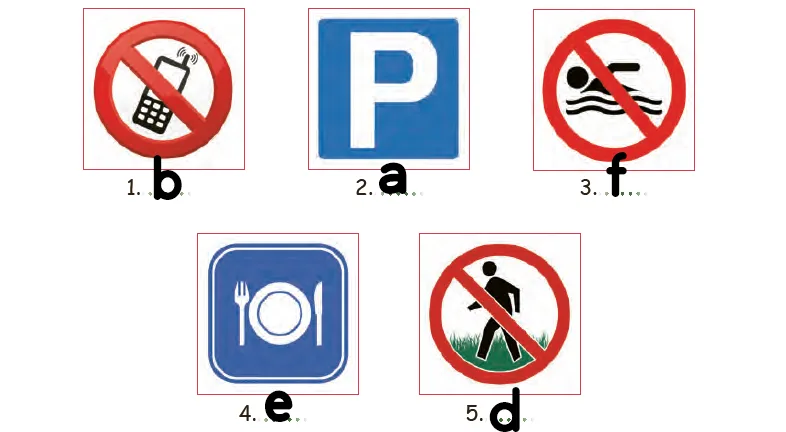
(a) There is a parking lot around.
اینجا در اطراف یک پارکینگ وجود دارد.
(b) Turn off your mobile phone.
تلفن همراه خود را خاموش کنید.
(c) Please be quiet.
لطفاً سکوت را رعایت کنید (آرام باشید).
(d) Keep off the grass.
از روی چمنها رد نشوید (وارد فضای سبز نشوید).
(e) You are near a restaurant.
شما نزدیک یک رستوران هستید.
(f) Do not swim here.
اینجا شنا نکنید.
C.Number the following activities from 1 to 6 according to how frequently you do them when you learn a foreign language.
فعالیت های زیر را از یک تا شش بر طبق اینکه یک زبان خارجی یاد گرفتید چند وقت یکبار آن ها را انجام میدهد شماره گذاری نمایید.
جواب: جواب این بخش بر عهده شما میباشد .
…… Reading storybooks
خواندن کتاب داستان
…… Watching movies
فیلم دیدن
…… Listening to the news
گوش دادن به اخبار
…… Surfing the net
وب گردی
…… Talking to foreigners
صحبت کردن با خارجی ها
…… Writing letters or emails
نوشتن نامه یا ایمیل
معنی صفحه 19 زبان یازدهم – درس اول

Babak Saberian is a translator who works for IRIB1. Today, he is hosting Meysam in his office. Meysam is a high school student.
He is interviewing Mr. Saberian for his school project.
معنی: بابک صابریان مترجمی است که برای (صدا و سیما جمهوری اسلامی ایران) کار میکند. او امروز میزبان میثم در دفتر خود است. میثم یک دانش آموزش دبیرستانی است. او در حال مصاحبه کردن با آقای صابریان برای پروژه مدرسه خود است.
Meysam: Thank you Mr. Saberian for inviting me to your office.
میثم: با تشکر از شما آقای صابریان که مرا به دفتر خود دعوت کردهاید.
Mr. Saberian: You’re welcome!
آقای صابریان: خواهش میکنم!
Meysam: I heard you know three languages. Is that right?
میثم: من شنیدهام که شما سه زبان بلد هستید. درست است؟
Mr. Saberian: Well, actually four languages.
آقای صابریان: خب، در واقع چهار زبان.
Meysam: Four! Really?! What languages do you know?
میثم: چهار! واقعاً؟! چه زبانهایی بلد هستید؟
Mr. Saberian: Besides my mother tongue, Persian, I know English, French and Russian well.
آقای صابریان: علاوه بر زبان مادری، فارسی، من انگلیسی، فرانسوی و روسی را به خوبی بلدم.
Meysam: Interesting! And when did you learn them?
میثم: جالب هست! و چه زمانی آنها را یاد گرفتید؟
Mr. Saberian: I began learning English at school when I was thirteen. Then I began learning French in a language institute when I was fifteen. And I learned Russian when I was a university student in Moscow.
آقای صابریان: من یادگیری زبان انگلیسی را وقتی سیزده سال داشتم در مدرسه شروع کردم. سپس در پانزده سالگی، یادگیری زبان فرانسه را در یک موسسه زبان شروع کردم و هنگامی که دانشجوی دانشگاه مسکو بودم زبان روسی را یاد گرفتم.
Meysam: Can you use all of them fluently?
میثم: آیا میتوانید از همه آنها به طور روان استفاده کنید؟
Mr. Saberian: I know all of them well, but I use English more.
آقای صابریان: من همه آنها را به خوبی بلدم، اما من انگلیسی را بیشتر استفاده میکنم.
Meysam: OK. Do you think language learning should start as early as possible?
میثم: خب. فکر میکنید یادگیری زبان باید در اسرع وقت شروع شود؟
Mr. Saberian: My experience says interest and hard work are really more important than age.
آقای صابریان: تجربه من میگوید علاقه و سخت کوشی واقعاً مهمتر از سن هستند.
Meysam: Hmm… that’s an important point. May I know what your favorite language is ? English, French, or Russian?
میثم: هوم … این یک نکته مهم است. ممکن است بدانم که زبان مورد علاقه شما چیست؟ انگلیسی، فرانسوی یا روسی؟
Mr. Saberian: To be honest, I enjoy using them all, but my favorite language is absolutely my mother tongue!
آقای صابریان: صادقانه، من از استفاده از همه آنها لذت میبرم، اما زبان مورد علاقه من قطعاً زبان مادری من است.
جواب صفحه 20 زبان یازدهم
Questions:
سوالات
Answer the following questions orally.
1 – where does Mr. Saberian work?
He works for IRIB.
2- Was Mr. Saberian living in a foreign country when he was 13?
No, he was living in Iran when he was 13.
3 – how many languages do you know?
I know one/two/three… languages.
معنی صفحه 21 و 22 زبان یازدهم
A.Look, Read and Practice.
نگاه کنید، بخوانید و تمرین کنید.
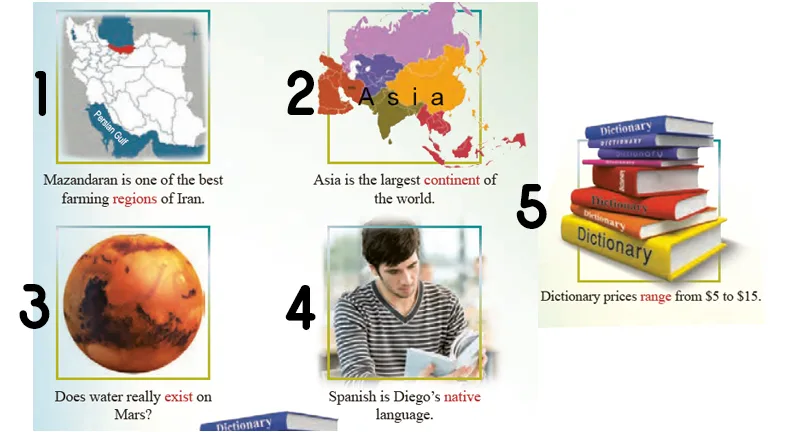
1- Mazandaran is one of the best farming regions of Iran.
مازندران یکی از بهترین مناطق کشاورزی ایران است.
2 – Asia is the largest continent of the world.
آسیا بزرگترین قارهٔ جهان است.
3 – Does water really exist on Mars?
آیا واقعاً آب روی مریخ وجود دارد؟
4 – Spanish is Diego’s native language.
زبان مادری دیهگو اسپانیایی است.
5 – Dictionary prices range from 5to5 to 5to15.
قیمت دیکشنریها از ۵ تا ۱۵ دلار متغیر است.
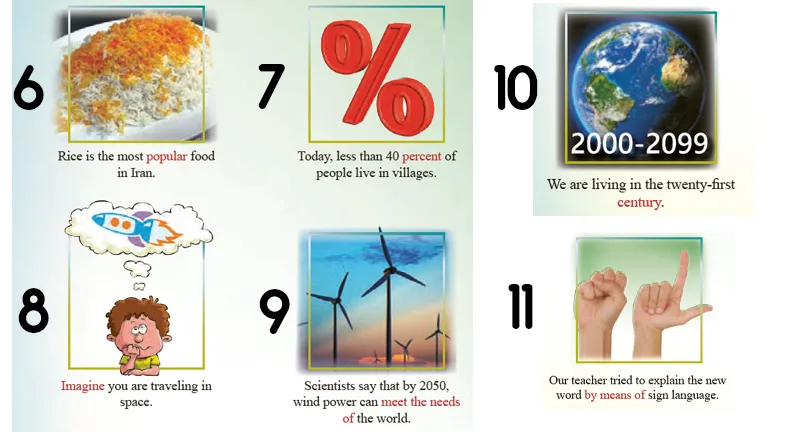
6 – Rice is the most popular food in Iran.
برنج محبوبترین غذا در ایران است.
7 – Today, less than 40 percent of people live in villages.
امروزه کمتر از ۴۰ درصد مردم در روستاها زندگی میکنند.
8 – Imagine you are traveling in space.
تصور کنید در فضا سفر میکنید.
9 – Scientists say that by 2050, wind power can meet the needs of the world.
دانشمندان میگویند تا سال ۲۰۵۰، انرژی بادی میتواند نیازهای جهان را برآورده کند.
10 – We are living in the twenty-first century.
ما در قرن بیست و یکم زندگی میکنیم.
11 – Our teacher tried to explain the new word by means of sign language.
معلم ما سعی کرد کلمه جدید را با استفاده از زبان اشاره توضیح دهد.
معنی صفحه 23 زبان یازدهم
B. Read and Practice.
بخوانید و تمرین کنید.
society: a large group of people who live together
جامعه: گروه بزرگی از مردم که با هم زندگی میکنند.
We live in an Islamic society.
ما در یک جامعه اسلامی زندگی میکنیم.
ability: the physical or mental power or skill to do something
توانایی: قدرت یا مهارت جسمی یا ذهنی برای انجام کاری.
Human’s ability to talk makes him different from animals.
توانایی انسان در صحبت کردن او را از حیوانات متمایز میکند.
vary: to be different from each other
متفاوت بودن / فرق داشتن: با هم یکسان نبودن.
In some cities, prices vary from shop to shop.
در بعضی شهرها، قیمتها از یک مغازه تا مغازه دیگر فرق میکند.
make up: to form a thing, amount or number
تشکیل دادن: چیزی، مقداری یا تعدادی را به وجود آوردن.
China makes up 18% of the world’s population.
چین ۱۸ درصد جمعیت جهان را تشکیل میدهد.
despite: without taking any notice of
با وجودِ / علیرغمِ: بدون توجه به چیزی.
I enjoy the weekend, despite the bad weather.
من از آخر هفته لذت میبرم، با وجود هوای بد.
معنی صفحه 24 زبان یازدهم
Reading
Languages of the world
زبان های دنیا

Language is a system of communication. It uses written and spoken forms. People use language to communicate with each other in a society. They exchange knowledge, beliefs, wishes, and feelings through it. Languages vary greatly from region to region. They are so different that a person may not understand the language of someone from another region, country or continent. It is not surprising to hear that today about 7000 languages exist in the world. There are more than 2000 languages in Africa, 1000 in the Americas, more than 2250 in Asia, about 230 in Europe, and more than 1300 in Oceania.
زبان ابزاری برای برقراری ارتباط است که از شکل های نوشتاری و گفتاری استفاده میکند. مردم در جامعه از زبان برای ارتباط با یکدیگر بهره میبرند و از طریق آن، دانش، باورها، آرزوها و احساسات خود را به اشتراک میگذارند. زبانها از منطقه ای به منطقه ی دیگر تفاوت های چشمگیری دارند؛ آنقدر متفاوت که ممکن است یک فرد، زبان فردی از منطقه، کشور یا قاره ای دیگر را اصلاً متوجه نشود. جای تعجب نیست اگر بدانیم امروزه حدود ۷۰۰۰ زبان در سراسر جهان وجود دارد: بیش از ۲۰۰۰ زبان در آفریقا، ۱۰۰۰ زبان در قاره ی آمریکا، بیش از ۲۲۵۰ زبان در آسیا، حدود ۲۳۰ زبان در اروپا و بیش از ۱۳۰۰ زبان در اقیانوسیه.
Native speakers of these languages range in number from very large, with hundreds of millions of speakers, to very small, with fewer than 10 speakers. The most popular language in the world is Chinese. More than one billion people in the world speak Chinese.
صفحه 25 زبان یازدهم
Interestingly, English has fewer native speakers than Chinese, but there are about one billion learners of English all around the world. They learn English as an international language.
تعداد گوینده های بومی این زبانها از صد ها میلیون نفر تا کمتر از ۱۰ نفر متغیر است. محبوبترین زبان جهان، زبان چینی است که بیش از یک میلیارد نفر در جهان به آن صحبت میکنند. جالب است بدانید اگرچه تعداد گوینده های بومی انگلیسی کمتر از چینی است، اما حدود یک میلیارد نفر در سراسر جهان در حال یادگیری انگلیسی به عنوان یک زبان بین المللی هستند.
About fifty percent of the world’s languages have fewer than 5000 speakers. In the beginning of the twenty-first century, 204 languages had fewer than 10 speakers and 344 languages had between 10 and 99 speakers. The 548 languages with fewer than 99 speakers make up nearly 8 percent of the world’s languages. We call them ‘endangered languages’. As the speakers of such languages grow old and die, their languages will die, too.
حدود ۵۰ درصد از زبان های جهان کمتر از ۵۰۰۰ گوینده دارند. در آغاز قرن بیست و یکم، ۲۰۴ زبان کمتر از ۱۰ گوینده و ۳۴۴ زبان بین ۱۰ تا ۹۹ گوینده داشتند. این ۵۴۸ زبان که کمتر از ۹۹ گوینده دارند، نزدیک به ۸ درصد از زبانهای جهان را تشکیل میدهند. به این زبانها، «زبانهای در معرض انقراض» میگوییم. با بالا رفتن سن گوینده ها و مرگ آنها، این زبانها نیز از بین خواهند رفت.
All languages are really valuable, despite their differences. Every language is an amazing means of communication that meets the needs of its own speakers. It is impossible to imagine the world without language. Therefore, we should respect all languages, no matter how different they are and how many speakers they have.
همه ی زبانها با وجود تفاوتهایشان، ارزشمند هستند. هر زبان ابزاری شگفت انگیز برای ارتباط است که نیازهای گوینده های خود را برآورده میکند. تصور دنیایی بدون زبان غیرممکن است. بنابراین باید به همه ی زبانها احترام بگذاریم، فارغ از اینکه چه اندازه متفاوت باشند یا چه تعداد گوینده داشته باشند.
***
Reading Strategy (Scanning)
استراتژی خواندن (اسکن کردن)
You can scan a reading passage to look for and find specific information quickly such as a number, a name, a word, or a phrase. Follow these steps to scan:
یک متن خواندنی را میتوانید اسکن نمایید تا به سرعت اطلاعات خاصی مثل: یک عدد, یک اسم, یک کلمه یا یک عبارت پیدا کنید. برای اسکن مراحل زیر را دنبال نمایید:
– Make a clear picture in your mind of the information you are looking for.
– Look for that information.
– Move your eyes quickly across the text. Don’t read every word. When you find the information, stop, read the sentence and mark the information.
- تصویر واضحی از اطلاعاتی که به دنبال آن هستید در ذهن خود ایجاد نمایید.
- به دنبال آن اطلاعات باشید.
- چشمان خود را به سرعت روی متن حرکت دهید. هر کلمه را نخوانید, زمانی که اطلاعات را پیدا کردید , توقف نمایید , جمله را بخوانید و اطلاعات را علامت بزنید.
جواب صفحه 26 زبان انگلیسی یازدهم
A.Scan the passage for the following numbers. Match them with the information. There is one extra number.
متن را برای اعداد زیر اسکن کنید ، آنها را با اطلاعات تطبیق دهید. یک عدد اضافه وجود دارد.
a.548 b. 2250 c. 8 d. 1300 e. 204
- The number of languages with speakers fewer than 10 … (e) 204
- The percent of endangered languages. …(c) 82
- The number of languages with speakers fewer than 99…. (a)548
- The number of languages in Oceania …. (d)1300
1 – تعداد زبانهایی که کمتر از ۱۰ نفر گوینده دارند.
2 – درصد زبانهای در معرض خطر انقراض.
3 – تعداد زبانهایی که کمتر از ۹۹ نفر گوینده دارند.
4 – تعداد زبانها در اقیانوسیه.
***
B.Scan the passage for the proper nouns.
متن را برای اسم مناسب اسکن کنید.
a) The language with more than one billion learners: Chinese
b) The continent with one thousand languages: America
c) The language with the largest number of native speakers: Chinese
زبانی که بیش از یک میلیارد زبان آموز دارد: چینی
قاره با هزار زبان: قاره آمریکا
زبانی که بیشترین تعداد گویشوران بومی را دارد.: چینی
***
C. Scan the passage and answer the following questions.
متن زیر را اسکن کنید و به سوالات پاسخ دهید.
a) How many languages are there in the world?
There are about 7000 languages in the world
چند زبان در جهان وجود دارد؟
حدود 7000 زبان در جهان وجود دارد.
b) What is the number of endangered languages?
548
تعداد زبانهای در خطر انقراض چقدر است؟
548
c) Which continent has the largest number of languages in the world?
Asia
کدام قاره بیشترین تعداد زبان را در جهان دارد؟
آسیا
***
Read the sentences; put T for true and F for false. If a sentence is false, correct it
a) Through languages, people can exchange only knowledge. false
از طریق زبانها، مردم فقط میتوانند دانش را با هم تبادل کنند.
b) When a language has no speaker, it dies out. true
وقتی یک زبان گویشوری نداشته باشد، از بین میرود (منقرض میشود).
c) Only a few languages can meet the needs of their own speakers. false
فقط تعداد کمی از زبانها میتوانند نیازهای گویشوران خود را برآورده کنند.
جواب صفحه 27 زبان یازدهم
Synonyms
Synonyms are words with similar meanings, for example, ‘hard’ and ‘difficult’; or ‘begin’ and ‘start’ are synonyms. Learning synonyms is a good way to develop our vocabulary.
هممعنیها واژههایی هستند که معنای مشابهی دارند؛ برای مثال، hard و difficult یا begin و start هممعنی هستند. یاد گرفتن هممعنیها راه خوبی برای گسترش دایرهٔ واژگان ما است.
A.Write the words that mean the same under the picture where they belong.
small / powerful / quick / strong / fast / tiny / simple / easy
جواب:
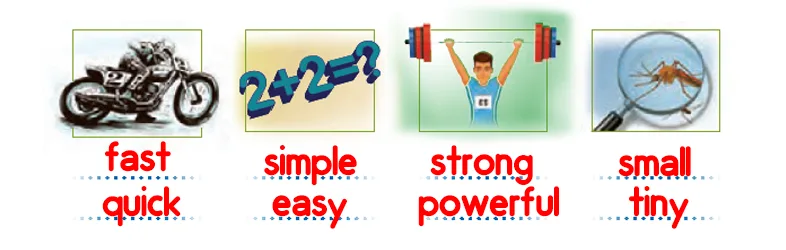
B.Two of the words in each group are synonyms. Find them.
a) amazing/probable/ wonderful
b) seek/ search for/ exercise
c) quit/live/ give up
d) fortunately/ luckily/ really
***
C.Look back at the Reading to find synonyms for the words.
a) In paragraph 2, find a synonym for ‘largely’: greatly
b) In paragraph 4, find a synonym for ‘nearly’: about
c) In paragraph 5, find a synonym for ‘to form’: make up
d) In paragraph 6, find a synonym for ‘to think of’: imagine
معنی و جواب صفحه 28 زبان یازدهم
Grammar
A.Read the following texts.
An endangered language is a language that has very few speakers. Nowadays, many languages are losing their native speakers. When a language dies, the knowledge and culture disappear with it. A lot of endangered languages are in Australia and South America. Some of them are in Asia and Africa. The number of live languages of the world is around 7000, and many of them may not exist in the future. Many researchers are now trying to protect endangered languages. This can save lots of information and cultural values of people all around the world.
یک زبان در معرض خطر، زبانی است که تعداد گوینده گان آن بسیار کم است. امروزه بسیاری از زبانها در حال از دست دادن گوینده های بومی خود هستند. وقتی زبانی از بین میرود، دانش و فرهنگ مرتبط با آن نیز ناپدید میشوند. تعداد زیادی از این زبانهای در خطر، در استرالیا و آمریکای جنوبی قرار دارند. برخی از آنها نیز در آسیا و آفریقا هستند. تعداد زبانهای زنده دنیا حدود ۷۰۰۰ زبان است و بسیاری از آنها ممکن است در آینده وجود نداشته باشند. پژوهشگران زیادی در تلاشاند تا از این زبانها محافظت کنند. این کار میتواند حجم عظیمی از اطلاعات و ارزشهای فرهنگی مردم سراسر جهان را حفظ کند.
There are many uncountable words for food in English. Native speakers often use words such as ‘a bag of, ‘two slices of’, or ‘a piece of’ with uncountable nouns. This usually happens when they go shopping. They may ask for two bottles of water, a bag of sugar, a loaf of bread, or two kilos of meat. In a coffee shop, they may order a cup of tea, a piece of cake, or a glass of juice. If a foreign learner uses uncountable words wrongly, English speakers may not understand them well. So when you learn English, be very careful about this important point.
در زبان انگلیسی، اسامی غیرقابل شمارش زیادی برای غذاها وجود دارد. گوینده های بومی معمولاً از عباراتی مثل «یک بسته…»، «دو برش…» یا «یک تکه…» همراه با اسامی غیرقابل شمارش استفاده میکنند. این موضوع اغلب هنگام خرید اتفاق میافتد. مثلاً ممکن است بگویند: «دو بطری آب»، «یک بسته شکر»، «یک نان» یا «دو کیلو گوشت». در کافی شاپ ها نیز ممکن است سفارش هایی مثل «یک فنجان چای»، «یک تکه کیک» یا «یک لیوان آبمیوه» بدهند. اگر زبان آموزان در استفاده از این اسامی غیرقابل شمارش اشتباه کنند، انگلیسی زبانها ممکن است منظور آنها را به خوبی متوجه نشوند. بنابراین هنگام یادگیری انگلیسی، به این نکته مهم دقت کنید!
جواب صفحه 31 زبان یازدهم
C.Tell your teacher how different ‘countable’ and ‘uncountable nouns’ are.
جواب: اسم های قابل شمارش را میتوانیم بشماریم و برای آن عدد به کار ببریم؛ اما برای اسم های غیر قابل شمارش که شمرده نمیشوند ، نمیتوانیم عدد برای آنها به کار ببریم.
***
D.Underline all ‘countable and uncountable nouns’ in Reading.
جواب:
| اسم قابل شمارش (Countable Nouns) | اسم غیرقابل شمارش (Uncountable Nouns) |
| Language | Knowledge |
| Region | Belief |
| People | wish |
| World | feeling |
| Speaker | numbers |
| Century | mean |
| communication |
***
E. Choose appropriate words to complete the following sentences
- The students need to read (many/much) books about history.
- Please buy (a loaf of/a bottle of) bread for breakfast.
- Children should drink (a lot of/a few) milk.
- We did not have (much/many) visitors this week.
- Could you please bring me (a glass of/a piece of) water?
***
F. Pair up and ask and answer the following questions.
1 – How many books did you read in summer?
I read three books
2 – How much milk do you drink each day?
I usually drink one glass of milk every morning
3 – How much money do you save each month?
I try to save about 500,000 Tomans monthly from my pocket money
4 – How many pencils do you have in your bag?
I have four pencils in my bag right now: one black, one red, and two yellow ones.
معنی و جواب صفحه 34 زبان انگلیسی یازدهم
A. You may use ‘how much’ to ask about prices.
You may use ‘how many’ to ask about numbers.
– May I help you?
– آیا ممکن است به شما کمک کنم؟
– Yes, please. I’m looking for some birthday candles.
– بله لطفا. من به دنبال تعدادی شمع تولد هستم.
– How many candles do you need?
– به چه تعداد شمع نیاز دارید؟
– I need 12 birthday candles.
– من به 12 شمع تولد نیاز دارم.
– You can find different types of candles over there.
– شما میتوانید انواع مختلف شمع را در آنجا پیدا کنید.
– Um… How much are those?
– ام … آنها چند هستند؟
– 20 000 Tomans.
– 20000 هزار تومان
– What about these?
– اینها چطور؟
– 10 000 Tomans.
– 10000 هزار تومان
– I think I’ll take these. Here you are.
– من فکر میکنم اینها را خواهم گرفت. بفرمایید
– Thank you.
– ممنون
جواب صفحه 35 زبان یازدهم
B. Listen to the following conversations and answer the questions.
Conversation 1

- The boy wants An English-to-Persian dictionary.
- How many words does the first dictionary have? It has more than 15000 words.
***
Pair up and ask at least two questions about the prices of things you or your friends have in your/their bags. You may use the words in the box
Q: how much is your notebook?
A: it is 20,000 tomans.
Q: how much is your pen?
A: it is 10,000 tomans.
Conversation 2

- How much is a ticket? It is 4 dollars.
- How many tickets does she want? Fifteen tickets.
***
Pair up and ask about the numbers of things you or your friends have. You may use the words in the box
Q: how many sisters do you have?
A: I have one sister.
Q: how many books do you have?
A: I have 5 books in my bag.
معنی صفحه 37 زبان انگلیسی یازدهم

Simple Sentences
جملات ساده
In English, every simple sentence must have at least a subject and a verb.
در زبان انگلیسی، هر جمله ساده باید حداقل یک فاعل و یک فعل داشته باشد.
Such a sentence is called a ‘simple sentence’.
به چنین جملهای «جمله ساده» گفته میشود.
Who or what the sentence speaks about is called the subject.
به کسی یا چیزی که جمله دربارهاش صحبت میکند، «فاعل» گفته میشود.
What the sentence says about the subject is called the verb.
به چیزی که جمله درباره فاعل میگوید (و معمولاً انجام کار یا حالت را نشان میدهد)، «فعل» گفته میشود.
In the following sentences, the subject is underlined once and the verb twice.
در جملات زیر، فاعل یک بار و فعل دو بار زیرخطکشی شده است.
معنی صفحه 38 زبان یازدهم
Mahan is sleeping.
ماهان خواب است.
The bird does not sing.
پرنده آواز نمی خواند.
The apple fell down.
سیب پایین افتاد.
The teacher is hard-working.
معلم سخت کوش است.
جواب صفحه 40 زبان یازدهم
A.Read each group of words. Do these words make a sentence? If yes, write them again with a capital letter and a period.
هر گروه از کلمات را بخوانید. آیا این کلمات جمله میسازند . اگر بله ، دوباره آن ها را با حروف بزرگ و نقطه بنویسید.

– studying in the library – مطالعه در کتابخانه
– she laughed → She laughed. او خندید
– suitable for both boys and girls – مناسب برای همه پسران و دختران
– the lion died → The lion died. آن شیر مرد
– the tree will fall down → The tree will fall down. آن درخت خواهد افتاد
– the baby with her small hands – آن کودک با دست های کوچکش
– it is very good for children → It is very good for children.آن برای کودکان بسیار مناسب است
– a beautiful lake in the forest – یک دریاچه در جنگل
جواب صفحه 41 زبان یازدهم
B.Write an appropriate word in the following blanks. The answer will be the subject of the sentence.
یک کلمه مناسب در جا های خالی بنویسید جواب فاعل جمله خواهد بود.
– Mr Razavi / Ms Taheri is one of my best teachers.
– A Rabbit runs faster than a mouse.
– Every night, my sister exercise for 30 minutes.
– Many birds / animals live in this forest.
– آقای رضوی / خانم طاهری یکی از بهترین اساتید من است.
–خرگوش سریعتر از موش می دود.
– هر شب، خواهرم به مدت ۳۰ دقیقه ورزش می کنیم.
– بسیاری از پرندگان / حیوانات در این جنگل زندگی می کنند.
***
C.Write an appropriate word in the following blanks. Each answer will be the verb of the sentence.
کلمه مناسب را در جا های خالی زیر بنویسید هر جواب فعل جمله خواهد بود.
– The child laughs / cried / is shouting loudly.
– Shayan is / seems / acts always kind to his sister.
– We talked / will play / waited for hours.
– The museum starts / opened at 8 a.m.
– کودک می خندد / گریه می کند / با صدای بلند فریاد می زند.
– شایان همیشه با خواهرش مهربان است / به نظر می رسد / رفتار میکند.
– ساعتها قدم زدیم / بازی خواهیم کرد / منتظر ماندیم.
– موزه در ساعت ۸ شروع میشود / باز شد.
معنی صفحه 42 زبان یازدهم
A simple sentence can also have an object.
An object is a noun that receives an action.
یک جمله ساده می تواند مفعول نیز داشته باشد.
مفعول اسمی است که عملی را دریافت می کند.
The students are drinking milk. دانش آموزان در حال خوردن شیر هستند
The students learn English. دانش آموزان انگلیسی یاد می گیرند
Mahdi visited his doctor. مهدی به پزشکش مراجعه کرد
جواب صفحه 43 زبان یازدهم
You can find an object by asking yourself ‘who’ or ‘what’ is receiving the action in a sentence.
شما می توانید با پرسیدن اینکه “چه کسی” یا “چه چیزی” عمل را در یک جمله دریافت می کند، یک شی را پیدا کنید.
D.Read the following sentences. Circle the objects.
جملات زیر را بخوانید. دور مفعول خط بکشید.
1- The boy runs fast.
2- Mina speaks English.
3- We must respect our neighbors.
4- Shadi is working at home.
5- Ali is a smart student.
۱- پسر سریع می دود.
۲- مینا انگلیسی صحبت می کند.
۳- ما باید به همسایگان خود احترام بگذاریم.
۴- شادی در خانه کار می کند.
۵- علی دانش آموز باهوشی است.
***
C.Write an appropriate word in the following blanks. Each answer will be an object.
در جاهای خالی زیر یک کلمه مناسب بنویسید. هر پاسخ یک مفعول خواهد بود.
1 – They will meet their friends.
آنها قرار است دوستانشان را ملاقات کنند.
2 – Ali and I bought some apples.
علی و من چند سیب خریدیم.
3 – We are going to learn English.
ما قرار است انگلیسی یاد بگیریم.
4 – Children should not eat too much candy.
بچهها نباید خیلی شیرینی بخورند.
جواب صفحه 44 زبان یازدهم
F.Rearrange the words to create correct sentences.
کلمات را دوباره مرتب کنید تا جملات درست بسازید.
1- borrowed / I / that book
I borrowed that book.
۱. من آن کتاب را امانت گرفتم.
2- is going / she / the TV / to turn on
She is going to turn on the TV.
۲. او قرار است تلویزیون را روشن کند.
3- can / learn / we / a new language
We can learn a new language.
۳. ما می توانیم یک زبان جدید یاد بگیریم.
4- sang / a song / my grandfather
My grandfather sang a song.
۴. پدربزرگم آهنگی خواند.
***
A simple sentence can also have additional information mostly in the forms of ‘adverbs of place, time and manner’.
یک جمله ساده همچنین می تواند اطلاعات اضافی را عمدتاً در قالب “قید مکان، زمان و نحوه” داشته باشد.
– Ali will have an exam next week.
– Zahra studies English at school.
– Yesterday, I saw my teacher in the street.
– We usually visit our grandmother on Fridays.
– My brother can speak French fluently.
– علی هفته آینده امتحان خواهد داشت.
– زهرا در مدرسه انگلیسی می خواند.
– دیروز، معلمم را در خیابان دیدم.
– ما معمولاً جمعه ها به مادربزرگمان سر می زنیم.
– برادرم میتواند به راحتی فرانسوی صحبت کند.
جواب صفحه 45 زبان یازدهم
G.Read the following sentences. Find the subject (S), verb (V), object (O) and additional information (AI).
جملات زیر را بخوانید. فاعل (S)، فعل (V)، مفعول (O) و اطلاعات اضافی (AI) را بیابید.
Example: She studies English at school every week.
She: S / studies: V / English: O / at school: AI (Place) / every week: AI (Time)
1- On weekends, I read storybooks. آخر هفته ها کتاب داستان می خوانم
On weekends (AI (time)), I (S) read (v) storybooks (O).
2- I usually get good grades. من معمولا نمرات خوبی می گیرم
I (S) usually (AI (manner)) get (V) good grades (O).
3- Last night, my mother made cookies. دیشب مادرم کلوچه درست کرد
Last night (AI (time), my mother (S) made (V) cookies (O).
4- My friends take photographs of animals. دوستان من از حیوانات عکس می گیرند
My friends (S) take photograph of (V) animals (O).
5- I have a math class on Wednesdays. چهارشنبه ها کلاس ریاضی دارم
I (S) have (V) a math class (O) on Wednesdays (AI (time)).
***
H.Using past, present and future tenses, write five simple sentences about yourself.
با استفاده از زمان های گذشته، حال و آینده، پنج جمله ساده در مورد خود بنویسید.
Past (گذشته):
I studied hard for my math exam last week.
من هفته گذشته برای امتحان ریاضیام خوب درس خواندم.
Present (حال):
I usually play basketball with my friends after school.
معمولاً بعد از مدرسه با دوستانم فوتبال بازی میکنم.
Future (آینده):
I will visit my grandparents next summer.
تابستان آینده به دیدن پدربزرگ و مادربزرگم خواهم رفت.
Present (حال – حالت):
I feel very excited about the upcoming science fair.
من درباره نمایشگاه علوم پیشرو بسیار هیجانزده هستم.
Future (آینده – برنامه):
I am going to learn how to code a simple game next month.
ماه آینده قرار است یاد بگیرم چطور یک بازی ساده برنامهنویسی کنم.
جواب صفحه 47 زبان یازدهم
What You Learned
آنچه شما یاد گرفتید
A.Listen to the first part of a story.
1. به قسمت اول داستان گوش دهید.
1 – Fill in the blanks based on what you’ve just heard.
جاهای خالی را بر اساس آنچه اخیرا شنیده اید پر کنید.
– I went to a store.
– I needed some cheese, some milk, some rice, and some sugar.
- به یک فروشگاه رفتم.
- من به مقداری پنیر، شیر، مقداری برنج و مقداری شکر نیاز داشتم.
***
2 – Listen again and list all uncountable nouns.
۲. دوباره گوش کنید و همه اسامی غیرقابل شمارش را فهرست کنید.
جواب:
milk, rice, sugar, fruit
شیر، برنج، شکر، میوه
***
B.Now read the second part of the report.
حالا قسمت دوم گزارش را بخوانید.
The only thing I was still looking for was a bag of sugar.
تنها چیزی که هنوز دنبالش بودم یک کیسه شکر بود.
There were four types of sugar.
چهار نوع شکر وجود داشت.
I picked the bags and read the explanations.
کیسه ها را برداشتم و توضیحات را خواندم.
Honestly, I didn’t understand their differences.
راستش را بخواهی من تفاوت آنها را درک نکردم.
A young man came to me and asked what I wanted.
مرد جوانی سمت من آمد و پرسید که چه می خواهم؟
I told him I needed some sugar for breakfast.
به او گفتم برای صبحانه به مقداری شکر نیاز دارم.
He gave me some information.
او مقداری اطلاعات به من داد.
Again, I didn’t understand the differences.
باز هم من تفاوت ها را درک نکردم.
I took pictures of the explanations, sat somewhere, and checked the explanations in my mobile dictionary.
از توضیحات عکس گرفتم، جایی نشستم و توضیحات را در دیکشنری موبایلم چک کردم.
At last, I understood what type of sugar I needed to buy!
بالاخره، فهمیدم چه نوع شکری باید بخرم!
***
3. Scan the text for the nouns.
۳. متن را برای اسامی اسکن کنید.
جواب:
sugar, bags, explanations, differences, man, breakfast, information, pictures, dictionary.
شکر، کیسه، توضیحات، تفاوت ها، مرد، صبحانه، اطلاعات، تصاویر، فرهنگ لغت.
***
C.Work in pairs. Ask and answer.
دوتایی همکاری کنید. بپرس و جواب بده.
– How many bags of sugar did the man want? A bag of sugar.
مرد چند کیسه شکر می خواست؟ یک کیسه شکر.
– Did the man buy any tea? No
آیا آن مرد چایی خرید؟ خیر
– How did she understand the explanations? She checked the information in her mobile dictionary.
او چگونه توضیحات را فهمید؟ او اطلاعات را در فرهنگ لغت تلفن همراه خود بررسی کرد.
جواب کتاب کار زبان یازدهم درس 1
جواب درس اول کتاب کار زبان یازدهم
جواب صفحه 8 کتاب کار زبان یازدهم
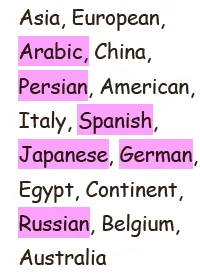
A.Find 6 languages below.
در بین کلمات زیر ۶ زبان را بیابید.
جواب:
***
B. Mark the regions where people mainly speak these languages.
نواحی ای را که مردم عمدتا به این زبان ها صحبت می کنند علامت بزنید.
جواب: بر عهده دانش آموز است.
معنی صفحه 10 کتاب کار زبان یازدهم
Hints for learning a language better
رهنمود هایی برای یادگیری بهتر یک زبان
Learning a new language doesn’t always mean sitting in the classroom and studying language books.
معنی: یادگیری یک زبان جدید همیشه به معنی نشستن در کلاس درس و مطالعه کتاب های زبان نیست.
In fact, language teachers suggest that you do plenty of extra learning outside of school, places like your home or a library near you.
معنی: در واقع معلمان زبان به شما پیشنهاد می کنند بخش زیادی از یادگیری اضافی را در بیرون مدرسه انجام دهید.
There are a number of ways to improve your understanding of the language.
معنی: جاهایی مثل خانه یا کتابخانه ای در نزدیکی تان.
For example, if you want to improve your English or any other foreign languages, you should consider some of these hints.
معنی: برای نمونه اگر شما می خواهید زبان انگلیسی یا هر زبان دیگر تان را تقویت کنید باید تعدادی از این نکات {راهنمایی ها} را در نظر بگیرید.
If you add a few of these ideas to your day-to-day language learning, you’ll certainly see some improvement.
معنی: اگر تعدادی از این ایده ها را به آموزش روزانه زبان خود ضمیمه کنید قطعا شاهد قدری پیشرفت خواهید بود.
معنی صفحه 11 کتاب کار زبان یازدهم
🟥 Get a good dictionary. A dictionary is your best friend while you’re learning English.
معنی: یک دیکشنری خوب بگیرید . در خلال آموزش انگلیسی ، دیکشنری بهترین دوست شما است.
🟥 Read a lot. Reading is a great way of practicing your English in your own time. Books and newspapers are useful to improve your English.
معنی: زیاد روخوانی کنید. خواندن ، یک راه عالی برای تمرین انگلیسی در وقتی که می گذارید است. کتاب ها و روزنامه ها در تقویت انگلیسی شما مفیدند.
🟥 Label things in your house. Buy a pack of labels and then write the name of items on them, such as phone, window, etc. This is great for beginners.
معنی: در منزل اشیاء را برچسب بزنید. یک بسته برچسب خریداری کرده و نام موارد (مختلف) را روی آن ها بنویسید. مثل تلفن ، پنجره و غیره. این کار برای مبتدیان عالی است.
🟥 Practice English whenever you can. It’s important that you don’t leave your English learning inside the classroom. Make sure you never escape learning.
معنی: هر وقت که برایتان مقدور است انگلیسی تمرین کنید. مهم است که آموزش انگلیسی را در کلاس درس رها نکنید. اطمینان حاصل کنید که هیچ وقت از آموزش رویگردان نیستید.
🟥 Write every day. Try and write something every day using new words and grammar that you’ve learned.
معنی: هر روز بنویسید. هر روزه با استفاده از لغات و گرامر تازه ای که آموخته اید چیزی نوشته و بیازمایید.
🟥 Watch television and movies and listen to good radio programs.
معنی: تلویزیون و فیلم تماشا کنید و به برنامه های مفید رادیو گوش فرا دهید.
🟥 Practice every day. Make yourself a study plan. Decide how much time a week you are going to study.
معنی: هر روزه تمرین کنید. برای خودتان یک برنامه مطالعه بچینید. برنامه ریزی کنید که قصد دارید در یک هفته چقدر برای مطالعه وقت بگذارید.
🟥 Don’t be afraid to make mistakes. Be confident when speaking or writing in English.
معنی: از اشتباه کردن نترسید. موقع صحبت کردن یا نوشتن انگلیسی اعتماد به نفس داشته باشید.
🟥 Practice all four language skills: Reading, writing, speaking and listening.
معنی: تمام مهارت های چهارگانه زبان را تمرین کنید: یعنی خواندن ، نوشتن ، صحبت کردن و گوش کردن.
جواب صفحه 12 کتاب کار زبان یازدهم
A.True or False
درست یا غلط
1- Classroom is the only place to learn a foreign language. FALSE ❌
کلاس درس تنها مکان یادگیری یک زبان خارجی است.
2- You can improve your English if you use different types of media. TRUE✅
اگر از انواع مختلف رسانه ها استفاده کنید می توانید انگلیسی خود را تقویت کنید.
3- Writing the name of things on them is a useful way to learn new words. TRUE✅
نوشتن راه اشیاء بر روی آن ها روش مفیدی برای یادگیری کلمات جدید است.
***
B. Scan and answer the questions.
متن را اسکن کرده و به سوالات پاسخ دهید.
1- How many learning hints are suggested in this text?
در این متن چند نکته آموزشی پیشنهاد می شود؟
Answer: Nine hints – نه نکته
2- Name two house parts mentioned in the text.
دو بخش خانگی را که در متن ذکر شد نام ببرید.
Answer: phone, window – گوشی ، پنجره
3- How many times did the word ‘language’ appear in the text?
کلمه language چند بار در متن دیده شد؟
Answer: 7 times – هفت بار
***
C. Scan and answer the following questions.
متن را اسکن کرده و به سوالات زیر پاسخ دهید.
1.What is your best friend in learning a foreign language?
بهترین دوست شما در یادگیری زبان انگلیسی چیست؟
Answer: A dictionary
2.Which places are better to learn English?
برای یادگیری انگلیسی چه جاهایی بهتر هستند؟
Answer: classroom, home, library
3. Find four language skills in the text.
چهار مهارت زبان را در متن بیابید.
Answer: reading, writing, speaking, listening
جواب صفحه 13 کتاب کار زبان یازدهم
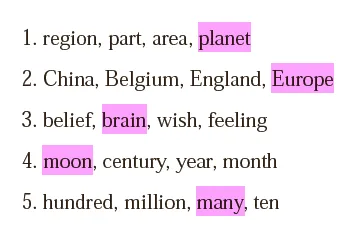
A. One odd out.
یکی ناهماهنگ است.
جواب:
***
B. Match columns A and B.
ستون های A و B را با هم تطبیق دهید.
جواب:
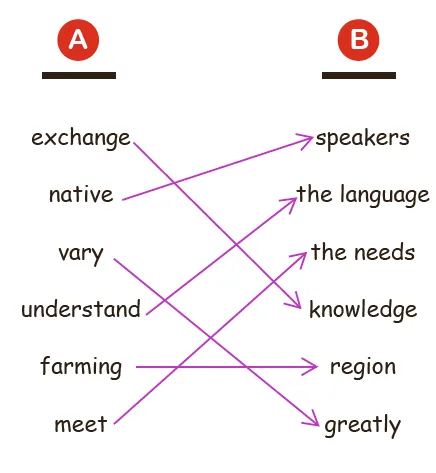
| exchange = تبادل | speakers = سخنرانها / گویندگان |
| Native= بومی | the language = زبان |
| Vary = تغییر کردن | the needs = نیازها |
| understand – فهمیدن | knowledge = دانش |
| farming – کشاورزی | region = منطقه |
| meet – ملاقات کردن | greatly = به طور زیادی / بسیار |
جواب صفحه 14 کتاب کار زبان یازدهم
C. Put the words in three groups considering their meanings.
کلمات را بر حسب معنی به سه دسته تقسیم کنید.
جواب:
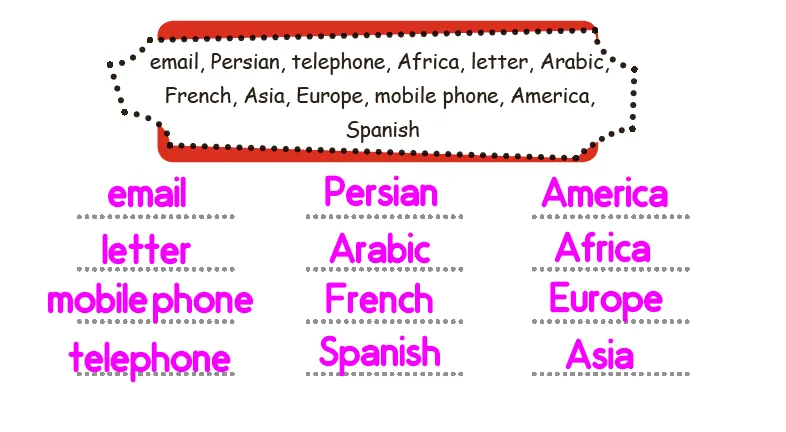
جواب صفحه 15 کتاب کار زبان یازدهم
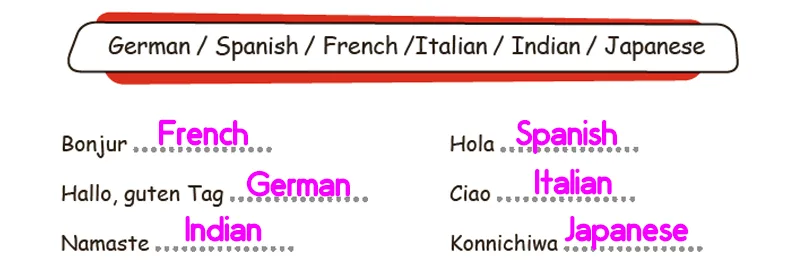
D. These words are ‘hello’ in six different languages. Match the words with the maps and name their languages.
در زیر کلمه سلام را در ۶ زبان مختلف می بینید. این کلمات را با نقشه ها و زبان ها تطبیق دهید.
جواب:
جواب صفحه 16 کتاب کار زبان یازدهم
E. Fill in the blanks with the given words. Make the necessary changes.
جاهای خالی را با کلمات داده شده پر کنید. تغییرات لازم را اعلام کنید.
جواب:
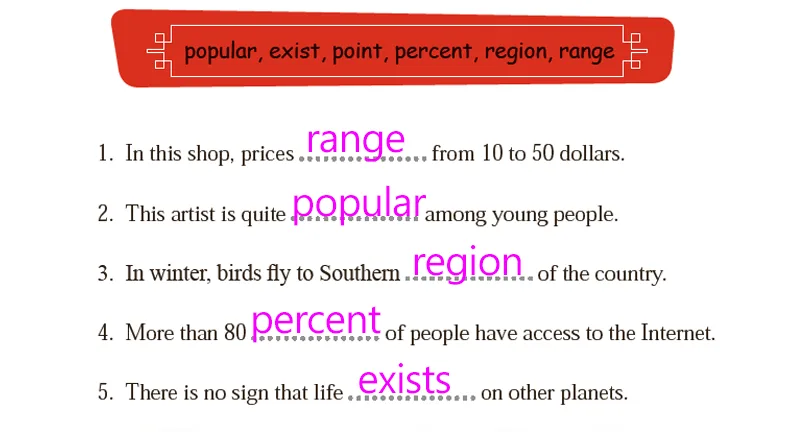
۱. در این فروشگاه، قیمتها از ۱۰ تا ۵۰ دلار متغیر هستند.
۲. این هنرمند در میان جوانان بسیار محبوب است.
۳. در زمستان، پرندگان به منطقه جنوبی کشور پرواز میکنند.
۴. بیش از ۸۰ درصد از مردم به اینترنت دسترسی دارند.
۵. هیچ نشانهای از وجود زندگی در سیارات دیگر وجود ندارد.
جواب صفحه 17 کتاب کار زبان یازدهم
A. Look at the pictures. Complete the following sentences.
به تصاویر نگاه کرده و جملات زیر را کامل کنید.
جواب:
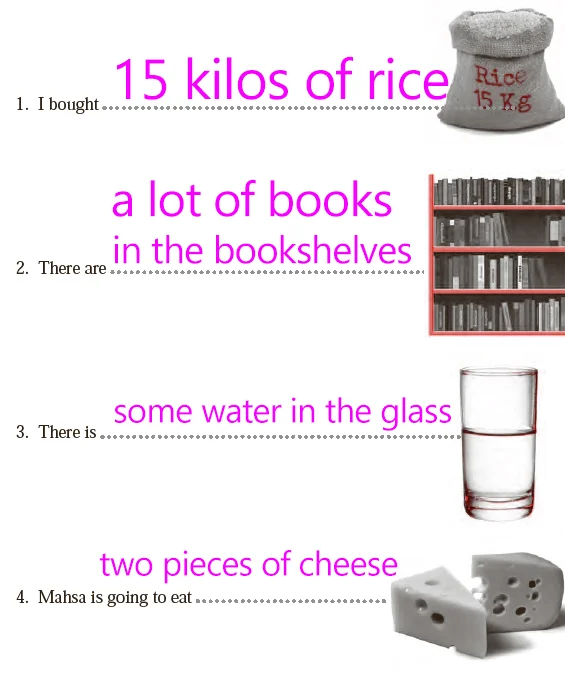
۱. من ۱۵ کیلو برنج خریدم.
۲. چهار قفسه کتاب وجود دارد.
۳. یک لیوان آب وجود دارد.
۴. مهسا میخواهد دو تکه پنیر بخورد.
جواب صفحه 18 کتاب کار زبان یازدهم
B. Complete the following sentences with appropriate units and measure words.
جمله های زیر را با یکاها و کلمات اندازه گیری کامل کنید
1. I should drink eight glasses of water every day. (water)
2. I eat a piece of cake every week. (cake)
3. My father buys a kilo of meat every month. (meat)
4. I eat two loaves of bread for breakfast. (bread)
5. She ate two slices of melon yesterday. (melon)
۱. من باید هر روز هشت لیوان آب بنوشم. (آب)
۲. من هر هفته یک تکه کیک میخورم. (کیک)
۳. پدرم هر ماه یک کیلو گوشت میخرد. (گوشت)
۴. من برای صبحانه دو قرص نان میخورم. (نان)
۵. او دیروز دو برش خربزه خورد. (خربزه)
جواب صفحه 19 کتاب کار زبان یازدهم
A. Read the numbers with appropriate stress.
اعداد را با استرس مناسب بخوانید.
13
18
20
40
60
90
جواب صفحه 20 کتاب کار زبان یازدهم
A. Read the following sentences. Put (S) for subjects, (O) for objects, (V) for verbs and (Adv) for adverbs.
جمله های زیر را بخوانید. به جای فاعل ها S ، به جای مفعول ها O ، به جای فعل ها V و به جای قید ها Adv قرار دهید.
جواب:
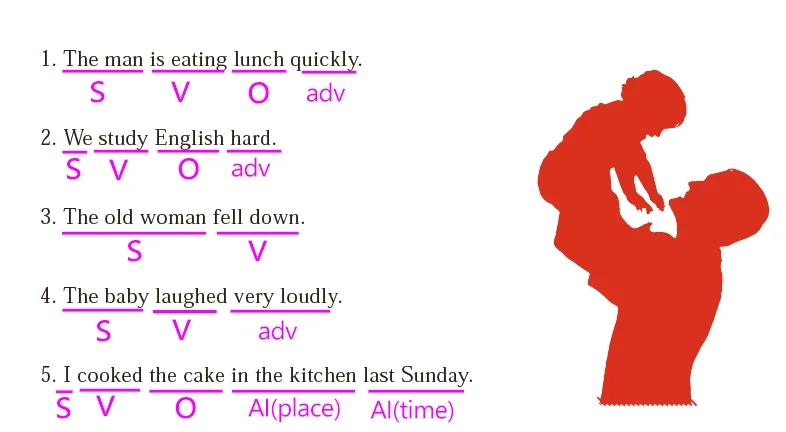
۱- مرد دارد به سرعت ناهار می خورد.
۲- ما به سختی انگلیسی مطالعه می کنیم.
۳- پیرزن ناگهان زمین افتاد.
۴- نوزاد با صدای خیلی بلند خندید.
۵- من یک شنبه پیش در آشپزخانه کیک پختم.
***
B. Read the Reading in Student Book. Underline 5 subjects, circle 5 verbs and double underline 5 objects.
بخش ریدینگ را در کتاب دانش آموزی بخوانید. زیر ۵ تا از فاعل ها خط بکشید. زیر ۵ فعل خط بکشید. زیر ۵ مفعول دو بار خط بکشید.
جواب:
| subject | verb | object |
| Language | Use | each other |
| People | Exchange | knowledge, beliefs, wishes, and feelings |
| Chinese | Vary | written and spoken forms |
| We | Exist | Chinese |
| All languages | respect | English |
جواب صفحه 21 کتاب کار زبان یازدهم
C. Fill in the blanks with appropriate nouns and verbs.
جاهای خالی را با اسم ها و فعل های مناسب پر کنید.
جواب:
1. He speaks English very well.
2. Shahin bought some books yesterday.
3. Amir wrote a letter to his brother.
4. Many birds live in rainforests.
۱. او خیلی خوب انگلیسی صحبت میکند.
۲. شاهین دیروز چند کتاب خرید.
۳. امیر برای برادرش یک نامه نوشت.
۴. پرندگان زیادی در جنگلهای بارانی زندگی میکنند.
***
D. Unscramble the following sentences.
جملههای زیر را مرتب کنید.
1. bread / much / your mother / does / how / need?
Answer: How much bread does your mother need?
مادرت چقدر نان نیاز دارد؟
2. like / I / to drink / of / water / glass / a.
Answer: I like to drink a glass of water.
من دوست دارم یک لیوان آب بخورم.
3. cars / are / lots / there / in / street / the / of ?
Answer: Are there lots of cars in the street?
آیا در خیابان تعداد زیادی ماشین وجود دارد؟
4. has / she / two / thirty / classmates / her class / in.
Answer: She has thirty two classmates in her class.
او در کلاسش ۳۲ همکلاسی دارد.
5. my friends / saw / of / lot / a / chickens / the / in / yard.
Answer: My friend saw a lot of chickens in the yard.
دوستان من در محوطه تعداد زیادی جوجه دیدند.
جواب صفحه 22 و 23 کتاب کار زبان یازدهم
E. Look at the pictures and write appropriate sentences for each one.
به تصاویر نگاه کرده و برای هر کدام جمله مناسبی بنویسید.
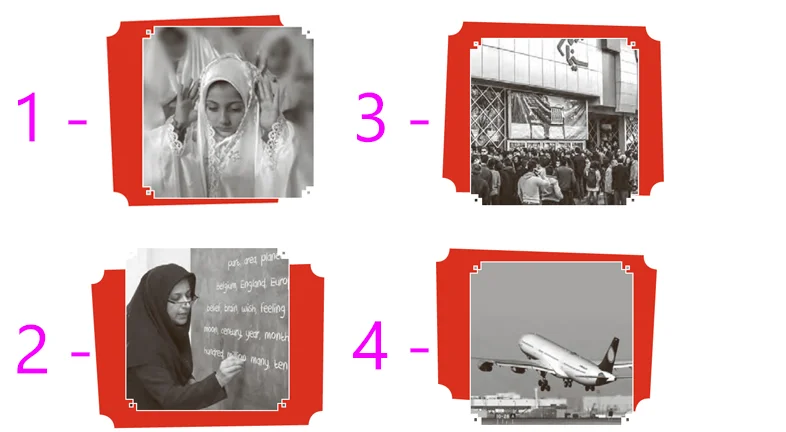
جواب:
1. My little sister prays every morning.
2. I am teaching English now.
3.We went to the cinema yesterday.
4. I will go to the trip next Friday.
1 . خواهر کوچک من هر روز صبح نماز میخواند.
۲. من الآن در حال تدریس انگلیسی هستم.
۳. ما دیروز به سینما رفتیم.
۴. من جمعه آینده به سفر خواهم رفت.
یک پاسخ
دیدگاه من درس خواندن است